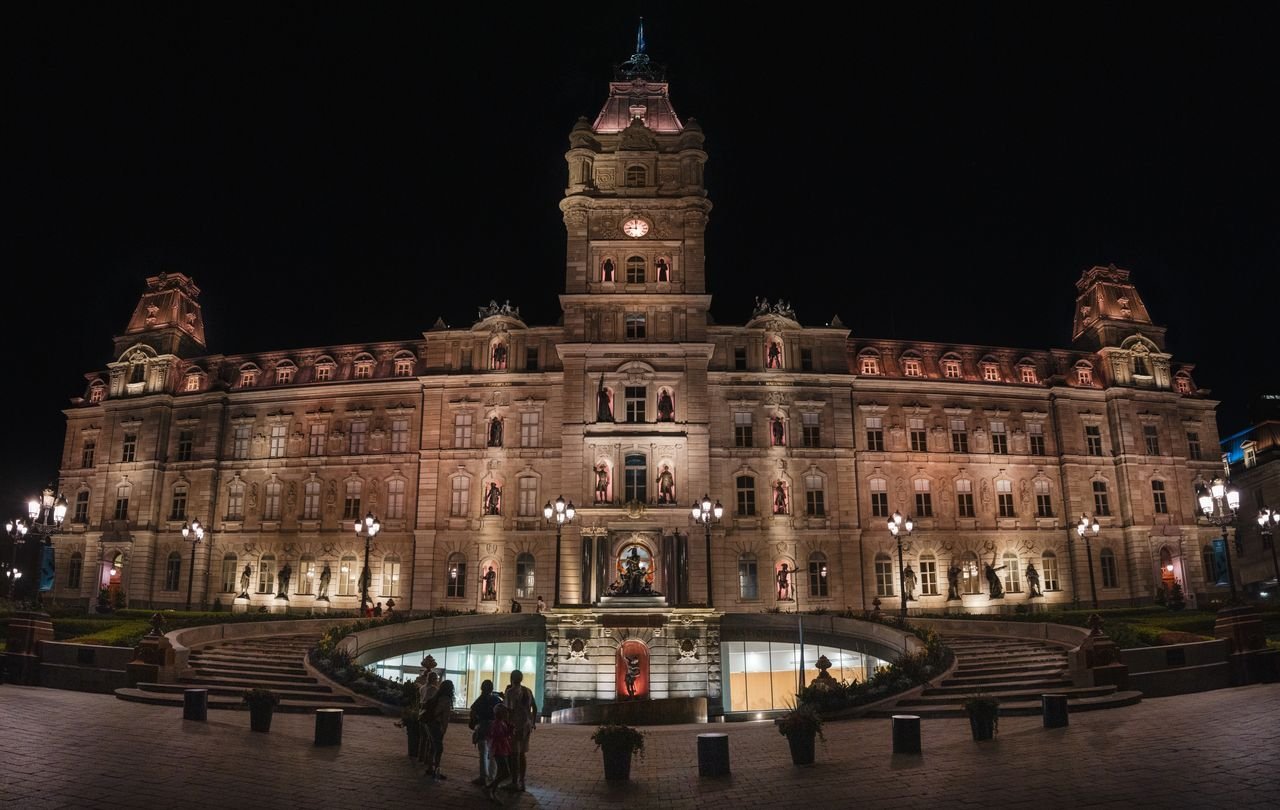
On June 16, 2026, Premier Christine Fréchette unveiled a comprehensive new foreign policy for Québec, marking a significant shift in the province’s approach to international relations. The announcement, made in the National Assembly in Québec City, outlines Québec’s priorities on the global stage, emphasizing enhanced economic ties, environmental leadership, and cultural exchange.
The new foreign policy, which Fréchette described as “a blueprint for Québec’s future interactions with the world,” seeks to position the province as a key player in international affairs, particularly in areas like climate change, trade, and cultural diplomacy. This strategic shift comes at a time when global dynamics are increasingly influenced by regional powers.
The Premier’s announcement was attended by key members of her cabinet, diplomats, and representatives from various international organizations. Fréchette highlighted several initiatives, including the establishment of new trade offices, increased funding for international environmental projects, and a series of cultural festivals designed to promote Québec’s unique heritage abroad. The policy rollout is set to begin immediately, with several agreements with foreign governments and entities expected to be signed within the coming months.
This new direction in foreign policy is a response to the evolving geopolitical landscape and aims to harness Québec’s unique position in North America. The policy’s framework was developed after extensive consultations with stakeholders across Québec, including business leaders, academics, and cultural representatives, ensuring a wide range of interests were considered. The Premier emphasized the importance of economic growth, environmental sustainability, and cultural richness as pillars of the policy.
Under the economic pillar, Québec aims to diversify its trade partners and reduce dependency on traditional markets like the United States and Europe. The government plans to explore new opportunities in emerging markets in Asia and Africa. This includes the establishment of Québec trade offices in Shanghai, Mumbai, and Nairobi, designed to facilitate trade negotiations and strengthen economic ties.
The environmental aspect of the policy includes commitments to lead on climate action. Québec will invest in renewable energy projects abroad and support international efforts to reduce carbon emissions. The province will also host a yearly international climate summit in Montréal, aiming to bring together leaders and experts to discuss innovative solutions to global warming.
Culturally, Québec intends to enhance its visibility on the global stage through a series of initiatives promoting its language, arts, and heritage. This includes the launch of the Québec Culture Weeks in major cities around the world, showcasing the province’s culture through music, art, and food festivals. These events aim to foster a greater understanding of Québec’s Francophone identity and promote cultural exchanges.
The Premier’s office has announced the creation of a special task force to oversee the implementation of the new policy. This task force will be responsible for coordinating between various government departments and ensuring that the policy’s objectives are met.
Fréchette’s policy has received mixed reactions. While many in the business and cultural sectors have welcomed the initiative, seeing it as an opportunity to promote Québec on the international stage, some critics argue that the focus on new markets could distract from pressing domestic issues, such as healthcare and education.
Despite these criticisms, the government remains committed to its new foreign policy path. As Québec prepares to step onto the global stage with renewed vigour, the coming months will be crucial in determining how these ambitious plans will unfold, shaping the province’s international role in the years to come.
Expanding Economic Frontiers
The establishment of new trade offices in strategic markets like Shanghai, Mumbai, and Nairobi represents a bold step towards diversifying Québec’s economic partnerships. These offices are expected to serve as vital links for Québec businesses looking to expand their reach and tap into emerging markets. The move is seen as crucial in making Québec a more competitive player on the global stage.
Enhancing Trade Agreements
Alongside the physical expansion, Québec’s government plans to renegotiate existing trade agreements and forge new ones. This proactive approach aims to secure more favourable terms for Québec’s exports, particularly in sectors like aerospace, technology, and renewable resources, which are seen as key drivers of the province’s future economic growth.
Leading in Environmental Initiatives
As part of its commitment to environmental leadership, Québec will be investing in international renewable energy projects. These investments not only aim to reduce global carbon footprints but also position Québec as a leader in green technology and sustainable development practices worldwide.
Hosting International Climate Summits
The annual international climate summit in Montréal is set to become a cornerstone of Québec’s environmental initiative. By bringing together global experts and leaders, Québec aims to spearhead discussions and collaborations that tackle the most pressing environmental issues of our time.
Promoting Québec’s Cultural Heritage
The launch of Québec Culture Weeks across various global cities is designed to introduce the rich tapestry of Québec’s culture to a wider audience. Through these events, Québec hopes to enhance cultural diplomacy and foster a deeper appreciation of its Francophone heritage.
Supporting International Cultural Exchanges
The new policy also includes funding and support for international artists and cultural projects that highlight Québec’s cultural contributions. This move aims to build long-term cultural relationships and promote mutual understanding through the arts.