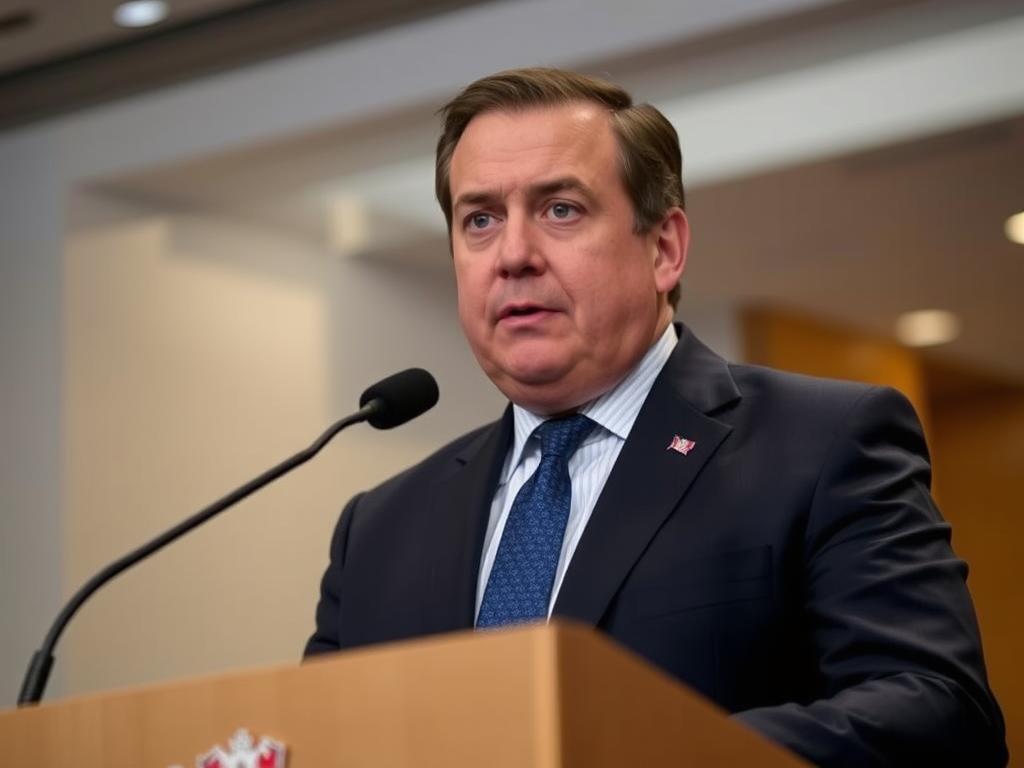
Quebec has more doctors than Ontario, but fewer people have a family doctor. This fact was highlighted by Gazette Montreal and CIHI data. Premier François Legault is now trying to change how doctors are paid and care is given.
Before the National Assembly voted, Legault said the goal is to improve access and reduce ER wait times. He made it clear that doctors are not the target. In another video, he warned that a special law might be needed if talks fail, saying it’s for the patients’ sake.
This article breaks down the facts: CIHI data on doctor numbers and pay, verified access comparisons, and how Bill 106 works. It also looks at union reactions and how doctors move between provinces, which affects Quebec’s health policy.
In essence, Legault has moved from talking about the issue to taking action. Now, the real test is whether these steps will lead to more people getting to see doctors.
Overview of Quebec’s Doctors’ Pay Law Under Review
Quebec is considering a big change in how doctors get paid. This change is part of a push to help clinics and hospitals. The question is, how should doctors be paid to make care better and more accessible?
What the law aims to change in physician compensation
The government introduced Bill 106 reform, then changed it to Bill 2, or Loi 2. The goal is to pay doctors based on a set number of patients, not just for each visit.
Supporters say this approach encourages doctors to care for patients over time. Critics are concerned it might not work for complex cases or in rural areas. Both agree it affects how clinics operate and how many new patients they can take on.
From fee-for-service to capitation and performance targets
The new plan would switch from fee-for-service to capitation. Doctors would earn more for caring for older or sicker patients. About one-tenth of their income would depend on meeting targets set by regions or the province.
These targets might include seeing patients quickly, reducing ER visits, or better managing chronic diseases. The system ties pay to results. Bill 2 and Bill 106 reform outline how doctors will be held accountable.
Why the government says the reform is needed for Quebecers
Officials say many Quebecers don’t have a family doctor and end up in ERs for basic care. They believe Loi 2 will improve access by linking pay to performance and patient responsibility.
They also mention investments to support clinics. These include hiring more staff, improving matching systems, and increasing capacity for procedures. They see a modern payment system as a way to help more people find a primary care doctor and reduce wait times.
Francois Legault: Context for His Recent Statements
Francois Legault made a strong appeal for better access and accountability in healthcare. He used recent data on family medicine access. He also reminded everyone of the government’s goal to reform healthcare.
Who is Premier of Quebec and his role in health reform
Francois Legault is the premier of Quebec and the leader of the Coalition Avenir Québec. He has made health reform a key promise. He wants to link doctor pay to how well they serve patients.
As premier, he believes policy should encourage doctors to focus on primary care. He wants to make sure reforms help clinics where patients are most affected.
Legault X video message and timing before special law
In a video, Legault warned of a special law if talks fail. He emphasized the need to respect doctors while pushing for better compensation. He wants compensation to be based on outcomes.
The video was a call to action. He talked about the need to help new doctors and protect patients without a family doctor.
Reactions from medical associations to his remarks
Medical specialists quickly responded, saying the government’s plan seemed scripted. They fear a special law could undermine fair bargaining. They worry about strike limits and performance targets.
Family doctor groups also expressed concerns about the rush. But they welcomed the focus on improving access. Their comments kept the pressure on the province as talks continued.
Access to Family Doctors: Quebec vs. Ontario
People are using simple ways to measure access to doctors. In Quebec, leaders like francois Legault say having a family doctor is key. Ontario’s leaders also compare to see if they’re doing better.
Population du Québec and Ontario population baselines
Quebec has about 9 million people, while Ontario has 16 million as of mid‑2024. These numbers show how many need doctors and how many doctors are needed.
| Province | Estimated Population (2024) | Residents Without Family Doctor | Residents With Family Doctor | Access Rate |
|---|---|---|---|---|
| Quebec | ~9,000,000 | ~1,500,000 | ~7,500,000 | ~83.33% |
| Ontario | ~16,000,000 | ~2,500,000 | ~13,500,000 | ~84.38% |
These numbers show many people are without a doctor. For more on how officials talk about these numbers, see the fact-checking of premier statements.
Share of residents with a family doctor in each province
More people in Ontario have a family doctor. The difference is small, but it affects how clinics are funded and how doctors are judged.
Getting more people attached to a doctor can make a big difference. It can help with referrals, tests, and follow-ups after hospital stays.
Implications for patient care and wait times
In Quebec, ERs and walk-ins see more patients when there’s a shortage of doctors. Ontario’s better rate helps, but clinics struggle to keep up with the growing population.
Legault’s team wants to improve rostering and set clear goals for doctors. They believe this can reduce wait times. The data will show if these efforts work over time.
Doctors Per Capita: Comparing Rates Across Provinces
Numbers from national reports give us a clear view of doctor supply. When the Quebec premier defends new policies, they often use numbers and trends. The latest CIHI data show how Quebec and its residents fare in healthcare.
The table below compares doctor rates per person across provinces. It shows Ontario, Quebec, and British Columbia to highlight differences.
Quebec’s rate of family physicians and specialists per 100,000
Quebec has 129 family doctors and 131 specialists for every 100,000 people. The CIHI data confirm Quebec’s high doctor supply in the country.
These numbers are key for Quebec’s progress in healthcare access. They guide planning for doctors and healthcare services across the province.
How Ontario and British Columbia stack up
Ontario has fewer doctors, with 107 family and 114 specialists for every 100,000. British Columbia leads with 271 doctors per 100,000.
This comparison helps the Quebec premier understand Quebec’s place in the country. It also shows the differences between provinces with similar population needs.
| Province | Family Physicians per 100,000 | Specialists per 100,000 | Overall Physician Rate per 100,000 | Source Context |
|---|---|---|---|---|
| Quebec | 129 | 131 | 260 | CIHI physician density cited in legault quebec discussions |
| Ontario | 107 | 114 | 221 | Ontario doctors per capita benchmark |
| British Columbia | — | — | 271 | British Columbia comparison on overall rate |
What higher doctor density means for access
More doctors can mean shorter waits if they’re where they’re needed. Clinic hours, team models, and workload also affect wait times.
CIHI data is just one part of the picture. Where doctors are located, clinic capacity, and scheduling also impact patient experience.
Compensation Snapshot: How Much Do Doctors Make in Canada
Recent data shows how much doctors earn in different provinces and specialties. It uses CIHI payments to paint a picture. This shows clear gaps that affect where doctors choose to work and policy decisions in Quebec and elsewhere.
Average gross payments for family doctors and specialists
In 2023–2024, CIHI payments show Quebec family doctors made $297,461 on average. Ontario’s family doctors earned $346,607. Specialists in Quebec made $392,970, just above Ontario’s $389,358.
Alberta had the highest averages among big provinces. Family doctors made $348,774, and specialists made $461,141. These figures are key for those following doctor wage trends in Canada.
Highest paid doctors by province and specialty
Some doctors earn much more than others. Ophthalmologists in Prince Edward Island made nearly $1.6 million. This is a high point in the country’s earnings.
This shows how different services, volumes, and coverage levels affect earnings. It’s why some specialties are more attractive when rules change.
Orthopedic surgeon salary and other specialist benchmarks
While the exact orthopedic surgeon salary isn’t listed, benchmarks from Alberta and P.E.I. give a glimpse of the top end. They highlight how doctor wages in Canada can influence who stays and who leaves.
Together, these CIHI payments show a pay scale that policymakers closely watch. They consider it when making new targets and pay models.
Performance Targets and Physician Concerns

Bill 2 Loi 2 ties a part of doctors’ pay to performance targets. These targets can change by region. Supporters say it aims to improve access and reduce wait times.
Critics, though, worry about who controls the results. They point out clinics often face staff shortages and high demand.
Physicians’ unions in Quebec are concerned. They say linking pay to outcomes they can’t fully control is unfair. They mention roster size, patient complexity, and hospital backlogs as factors.
They also fear penalties could push doctors away from areas with the greatest need.
The government promises to increase operating rooms and improve matching systems. They also aim to strengthen staffing. Doctors, though, want these improvements to happen before the targets are enforced.
They seek to avoid one-size-fits-all rules for different regions.
At the centre of the debate lies a simple test: can performance targets drive access without punishing clinicians for structural limits?
| Policy Element | What Changes | Physician Perspective | Government Rationale |
|---|---|---|---|
| Performance Targets | 10% of pay linked to collective outcomes set provincially or regionally | Physicians’ unions say metrics reflect system pressures beyond clinic control | Legault Quebec frames targets as tools to improve access and reduce ER strain |
| Capitation Concerns | More weight on panels, continuity, and patient attribution | Risk of disincentives for complex patients and rural practice | Encourage longitudinal care and clearer accountability |
| Enforcement | Potential penalties tied to unmet thresholds | Seen as coercive when resources lag | Signal urgency and align effort with system goals |
| Resource Commitments | Funding for OR capacity, staffing, and matching systems | Support welcomed, but timing and scale remain key | Targets paired with investments to enable delivery |
Negotiations, Special Law Threats, and Policy Offers
As talks went on, Premier François Legault warned that a special law might come by Friday morning if no deal was reached. This raised the stakes for doctors and patients waiting to get into the system. It was a big issue that the gazette montreal news was closely following.
Funding commitments for ORs, FMGs, and matching systems
The fourth Bill 106 offer made clear financial promises. It promised $400 million over four years to add eight operating rooms and improve OR management. This aim was to increase surgical capacity.
It also set aside $50 million to hire 500 professionals in FMGs starting in 2026. This move was to improve front-line access. Another $120 million over four years would update the patient–physician matching system. This system has struggled to match residents with regular doctors.
Performance-linked pay safeguards and timelines
The proposal kept pay tied to performance unchanged for the first two years after the law takes effect. It also linked Santé Québec executives’ pay to clear targets. This would align management and clinical goals under the same timeline.
Health Minister Christian Dubé said the timeline was urgent, given long waits for emergency and specialist care. Supporters argued that Bill 106 offered predictable rules while new capacity was built.
Union responses and calls for arbitration
Specialists, led by Vincent Oliva, rejected the terms as the same as before. They called for a non-binding arbitration mechanism to ease tensions. They felt the process was scripted and would limit strike rights.
Family medicine groups said they would review the documents. With pressure building, observers noted that legault x posts and gazette montreal news coverage kept the focus on what’s next. This included whether an arbitration mechanism could restart talks.
Interprovincial Migration and Workforce Pressure

Doctors moving between provinces is changing healthcare. The premier of Quebec’s reforms are making people think about doctor movement. This movement affects staffing, clinic hours, and how well doctors connect with patients everywhere.
Ontario’s net loss vs. Quebec’s net gain of physicians
Recent data from 2020 to 2024 shows a big change. Ontario lost 207 doctors, while Quebec gained 95. Nova Scotia was the only other province to gain doctors. This difference is why Ontario’s Premier Doug Ford asked Quebec doctors to come to Ontario.
When a place loses doctors, it can’t see as many patients. This makes wait times longer. But when a place gains doctors, it needs to make sure it can use them well.
Why provinces compete for doctors and specialists
Provinces don’t just compete with money. They also compete with how doctors work, who they work with, and what technology they use. Doctors move based on the whole package, not just one thing.
The premier of Quebec says reforms will help more people get care. Quebec wants to make care more efficient and help doctors connect better with patients. But other provinces offer different incentives and make it easier for doctors to start working there.
Impact on rate doctor Québec and service availability
Even though Quebec has more doctors per person, it’s not always enough. The real challenge is how well doctors can care for patients, how fast referrals happen, and how emergency rooms handle busy times. How happy doctors are and how much work they have can also affect how many patients they can see.
When there are more doctors in one place, clinics and hospitals might change their hours and staff. This can make a big difference in how quickly people can get care. Ontario’s loss of doctors can affect nearby areas, just like Quebec’s gain needs support to make sure patients get care quickly.
Emergency Rooms, System Strain, and Public Perception
Patients across the province face crowded corridors and tense triage desks. Long waits shape opinions on care quality and trust in Legault Quebec’s reforms. Media coverage sees the strain as a test of priorities and planning.
ER overcrowding and leave-without-being-seen rates
ER overcrowding is a common sight in many Quebec hospitals. A September study by the Montreal Economic Institute found 11.55% of patients leave without being seen. Ontario’s rate was 4.92%, showing Quebec’s higher pressure on services.
Clinicians blame staffing shortages, delayed discharges, and limited step-down capacity. Families share stories of overnight waits and hallway care. These issues raise safety concerns and lower confidence in the system.
How policy changes aim to reduce bottlenecks
The government aims to improve family practice, strengthen Family Medicine Groups, and better match patients with doctors. They also plan to increase operating-room time to reduce surgical backlogs and free up beds. This should ease ER congestion.
Officials believe aligning incentives with access and follow-up can reduce repeat ER visits. They set clear targets and local accountability to support teams without risking patient safety.
Coverage by Gazette Montreal news and broader media
Gazette Montreal news has supported some claims from Legault Quebec, but notes voter fatigue and growing concerns about winter surges. It tracks how numbers affect real-life experiences at triage and registration.
Other media also cover the debate on performance-linked pay, resource gaps, and who owns system-level outcomes. The focus is on whether reforms will lower leave without being seen rates and change the daily reality for patients and staff.
Conclusion
Quebec Premier François Legault sees Loi 2 as a way to speed up healthcare. He believes setting targets and increasing funding can help. This will ease the pressure in emergency rooms and make it easier to see family doctors.
Data shows both the need for action and the need for caution. Quebec has more doctors than Ontario but fewer people see family doctors. Emergency room rates are also higher in Quebec.
Pay for doctors varies. Family doctors in Quebec earn less than in Ontario. But some specialists in Quebec earn more, attracting doctors from other provinces.
Talks have been tough. There were offers to improve funding and staffing. But unions rejected them, leading to a warning of a special law. This shows the challenge of balancing accountability and trust in healthcare.
The outcome is important for Quebec and Canada. Success depends on whether targets are realistic and if doctors stay. If so, Quebec can improve healthcare without losing doctors to other provinces.
FAQ
What did Premier François Legault claim about Quebec’s doctor supply and access to care?
He said Quebec has more doctors per person than Ontario but has worse access to family doctors. A Gazette Montreal news fact check confirmed this. He framed the reform as a fix for access gaps and ER congestion.
Who is Premier of Quebec and what is his role in this reform?
François Legault is the Premier of Quebec and leader of the Coalition Avenir Québec. He has made health reform a key priority. He championed the law restructuring physician compensation, known as Bill 106 and later Bill 2 (Loi 2).
What did Legault say in his X video before the law’s adoption?
He warned that if no deal with doctors and specialists was reached by Friday morning, a special law would be imposed. He said the measures were for Quebecers, not against physicians.
How did medical associations react to Legault’s remarks?
The specialists’ association led by Vincent Oliva said they were “taken for a ride,” calling the move a scripted manoeuvre. Unions representing family doctors, specialists, and medical students warned the plan was coercive.
What does the law aim to change in physician compensation?
It shifts Quebec from fee-for-service to capitation, paying doctors per registered patient with higher rates for sicker patients. Ten percent of pay is tied to collective performance targets set by the health ministry.
How does capitation differ from fee-for-service in Quebec?
Fee-for-service pays per visit or procedure. Capitation pays a set amount per attached patient, adjusted for complexity, plus a performance component. The goal is steady access, prevention, and fewer ER visits.
Why does the government say the reform is needed for Quebecers?
The CAQ cites long ER waits, crowded hospitals, and weak primary care attachment. The province ran ads noting 1.5 million Quebecers lacked a family doctor, arguing new incentives and staffing will improve access.
What are the population baselines for Quebec and Ontario?
In 2024, Quebec’s population is roughly 9 million and Ontario’s is about 16 million. These baselines help compare physician density and access rates.
What share of residents have a family doctor in Quebec versus Ontario?
Calculations show about 83.33% in Quebec and 84.38% in Ontario. That means Ontario’s access is slightly better, consistent with Legault’s statement.
What does this gap mean for patient care and wait times?
Lower attachment in Quebec pushes more people to walk-in clinics and ERs. That adds pressure, lengthens waits, and raises leave-without-being-seen rates, specially in urban centres.
How many doctors per capita does Quebec have compared with other provinces?
CIHI reports Quebec with 129 family physicians and 131 specialists per 100,000 people. This is higher than Ontario on both counts and below British Columbia’s overall rate.
How do Ontario and British Columbia compare on physician rates?
Ontario has 107 family physicians and 114 specialists per 100,000, while B.C. has the highest overall physician rate at about 271 per 100,000. Quebec sits between the two in overall density.
Does higher doctor density guarantee better access in Quebec?
No. Access depends on distribution, practice models, admin workload, and resources. Quebec’s density is higher than Ontario’s, yet its family doctor attachment is slightly lower and ER strain is worse.
How much do doctors make in Canada on average?
CIHI data show Quebec family physicians average 7,461 in gross clinical payments, below Ontario’s 6,607. Quebec specialists average 2,970, slightly above Ontario’s 9,358.
Which provinces and specialties have the highest paid doctors?
Alberta leads overall, with family doctors at 8,774 and specialists at 1,141 on average. A notable outlier is ophthalmology in Prince Edward Island at nearly
FAQ
What did Premier François Legault claim about Quebec’s doctor supply and access to care?
He said Quebec has more doctors per person than Ontario but has worse access to family doctors. A Gazette Montreal news fact check confirmed this. He framed the reform as a fix for access gaps and ER congestion.
Who is Premier of Quebec and what is his role in this reform?
François Legault is the Premier of Quebec and leader of the Coalition Avenir Québec. He has made health reform a key priority. He championed the law restructuring physician compensation, known as Bill 106 and later Bill 2 (Loi 2).
What did Legault say in his X video before the law’s adoption?
He warned that if no deal with doctors and specialists was reached by Friday morning, a special law would be imposed. He said the measures were for Quebecers, not against physicians.
How did medical associations react to Legault’s remarks?
The specialists’ association led by Vincent Oliva said they were “taken for a ride,” calling the move a scripted manoeuvre. Unions representing family doctors, specialists, and medical students warned the plan was coercive.
What does the law aim to change in physician compensation?
It shifts Quebec from fee-for-service to capitation, paying doctors per registered patient with higher rates for sicker patients. Ten percent of pay is tied to collective performance targets set by the health ministry.
How does capitation differ from fee-for-service in Quebec?
Fee-for-service pays per visit or procedure. Capitation pays a set amount per attached patient, adjusted for complexity, plus a performance component. The goal is steady access, prevention, and fewer ER visits.
Why does the government say the reform is needed for Quebecers?
The CAQ cites long ER waits, crowded hospitals, and weak primary care attachment. The province ran ads noting 1.5 million Quebecers lacked a family doctor, arguing new incentives and staffing will improve access.
What are the population baselines for Quebec and Ontario?
In 2024, Quebec’s population is roughly 9 million and Ontario’s is about 16 million. These baselines help compare physician density and access rates.
What share of residents have a family doctor in Quebec versus Ontario?
Calculations show about 83.33% in Quebec and 84.38% in Ontario. That means Ontario’s access is slightly better, consistent with Legault’s statement.
What does this gap mean for patient care and wait times?
Lower attachment in Quebec pushes more people to walk-in clinics and ERs. That adds pressure, lengthens waits, and raises leave-without-being-seen rates, specially in urban centres.
How many doctors per capita does Quebec have compared with other provinces?
CIHI reports Quebec with 129 family physicians and 131 specialists per 100,000 people. This is higher than Ontario on both counts and below British Columbia’s overall rate.
How do Ontario and British Columbia compare on physician rates?
Ontario has 107 family physicians and 114 specialists per 100,000, while B.C. has the highest overall physician rate at about 271 per 100,000. Quebec sits between the two in overall density.
Does higher doctor density guarantee better access in Quebec?
No. Access depends on distribution, practice models, admin workload, and resources. Quebec’s density is higher than Ontario’s, yet its family doctor attachment is slightly lower and ER strain is worse.
How much do doctors make in Canada on average?
CIHI data show Quebec family physicians average $297,461 in gross clinical payments, below Ontario’s $346,607. Quebec specialists average $392,970, slightly above Ontario’s $389,358.
Which provinces and specialties have the highest paid doctors?
Alberta leads overall, with family doctors at $348,774 and specialists at $461,141 on average. A notable outlier is ophthalmology in Prince Edward Island at nearly $1.6 million.
What about orthopedic surgeon salary benchmarks?
CIHI’s figures highlight specialists’ earnings by province but don’t single out orthopedics here. The high specialist averages in Alberta and P.E.I. show how certain specialties can be among the highest paid.
How are performance targets set and why are doctors concerned?
Loi 2 lets the health ministry set and modify targets regionally or provincially. Ten percent of pay depends on meeting them. Unions say doctors are being held responsible for system-wide outcomes without enough resources.
What funding offers accompanied the push for the law?
The province proposed $400 million over four years for eight new operating rooms and better OR management, $50 million to add 500 professionals to FMGs from 2026, and $120 million to fix patient–physician matching.
What safeguards or timelines were offered on performance-linked pay?
The government promised not to change regulations linking pay to performance during the first two years. Santé Québec executives would also have performance targets tied to their pay.
How did unions respond to these offers and the special law threat?
Specialists rejected the fourth offer, called it a “declaration of war,” and sought non-binding arbitration. Family doctors said they would review the proposal. Legault kept the special law option on the table.
What are the recent migration trends for doctors between provinces?
From 2020 to 2024, Ontario had a net loss of 207 physicians while Quebec posted a net gain of 95, second only to Nova Scotia. This shaped Ontario’s outreach to Quebec doctors frustrated by the new law.
Why do provinces compete for doctors and specialists?
They compete on pay, practice models, team supports, OR time, and quality of life. These factors influence interprovincial moves and local service availability.
How does migration affect the rate doctor Québec and access?
Gains can bolster access; losses can widen gaps. Even with higher density, Quebec’s access depends on retention, distribution, and how reforms affect workload and practice efficiency.
How severe is ER overcrowding in Quebec compared with Ontario?
A Montreal Economic Institute study found 11.55% of Quebec ER patients left without being seen in 2024 versus 4.92% in Ontario. It signals deeper system strain in Quebec.
How do the policy changes aim to reduce ER bottlenecks?
By shifting to capitation, adding FMG staff, improving the matching system, and expanding OR capacity. The government says these steps will improve attachment and surgical flow, easing ER pressure.
How has Gazette Montreal news covered Legault’s claims and the law?
The Gazette verified Legault’s Quebec–Ontario comparison and tracked the political context, public skepticism, and union reactions. Broader media spotlighted performance-linked pay and resource gaps.
What is Premier François Legault’s bottom line on Loi 2?
He argues the compensation overhaul is for Quebecers—to improve access and cut ER congestion—while unions warn the plan ties pay to targets without enough support, risking morale and retention.
Where can readers learn more about Quebec’s premier and the law?
Follow updates from the Government of Quebec, Health Minister Christian Dubé, the Fédération des médecins spécialistes du Québec, the Fédération des médecins omnipraticiens du Québec, and Gazette Montreal news. Search terms like “who is premier of Quebec,” “Quebec premier François Legault,” “Legault X,” and “Bill 2 Loi 2” can help.
.6 million.
What about orthopedic surgeon salary benchmarks?
CIHI’s figures highlight specialists’ earnings by province but don’t single out orthopedics here. The high specialist averages in Alberta and P.E.I. show how certain specialties can be among the highest paid.
How are performance targets set and why are doctors concerned?
Loi 2 lets the health ministry set and modify targets regionally or provincially. Ten percent of pay depends on meeting them. Unions say doctors are being held responsible for system-wide outcomes without enough resources.
What funding offers accompanied the push for the law?
The province proposed 0 million over four years for eight new operating rooms and better OR management, million to add 500 professionals to FMGs from 2026, and 0 million to fix patient–physician matching.
What safeguards or timelines were offered on performance-linked pay?
The government promised not to change regulations linking pay to performance during the first two years. Santé Québec executives would also have performance targets tied to their pay.
How did unions respond to these offers and the special law threat?
Specialists rejected the fourth offer, called it a “declaration of war,” and sought non-binding arbitration. Family doctors said they would review the proposal. Legault kept the special law option on the table.
What are the recent migration trends for doctors between provinces?
From 2020 to 2024, Ontario had a net loss of 207 physicians while Quebec posted a net gain of 95, second only to Nova Scotia. This shaped Ontario’s outreach to Quebec doctors frustrated by the new law.
Why do provinces compete for doctors and specialists?
They compete on pay, practice models, team supports, OR time, and quality of life. These factors influence interprovincial moves and local service availability.
How does migration affect the rate doctor Québec and access?
Gains can bolster access; losses can widen gaps. Even with higher density, Quebec’s access depends on retention, distribution, and how reforms affect workload and practice efficiency.
How severe is ER overcrowding in Quebec compared with Ontario?
A Montreal Economic Institute study found 11.55% of Quebec ER patients left without being seen in 2024 versus 4.92% in Ontario. It signals deeper system strain in Quebec.
How do the policy changes aim to reduce ER bottlenecks?
By shifting to capitation, adding FMG staff, improving the matching system, and expanding OR capacity. The government says these steps will improve attachment and surgical flow, easing ER pressure.
How has Gazette Montreal news covered Legault’s claims and the law?
The Gazette verified Legault’s Quebec–Ontario comparison and tracked the political context, public skepticism, and union reactions. Broader media spotlighted performance-linked pay and resource gaps.
What is Premier François Legault’s bottom line on Loi 2?
He argues the compensation overhaul is for Quebecers—to improve access and cut ER congestion—while unions warn the plan ties pay to targets without enough support, risking morale and retention.
Where can readers learn more about Quebec’s premier and the law?
Follow updates from the Government of Quebec, Health Minister Christian Dubé, the Fédération des médecins spécialistes du Québec, the Fédération des médecins omnipraticiens du Québec, and Gazette Montreal news. Search terms like “who is premier of Quebec,” “Quebec premier François Legault,” “Legault X,” and “Bill 2 Loi 2” can help.