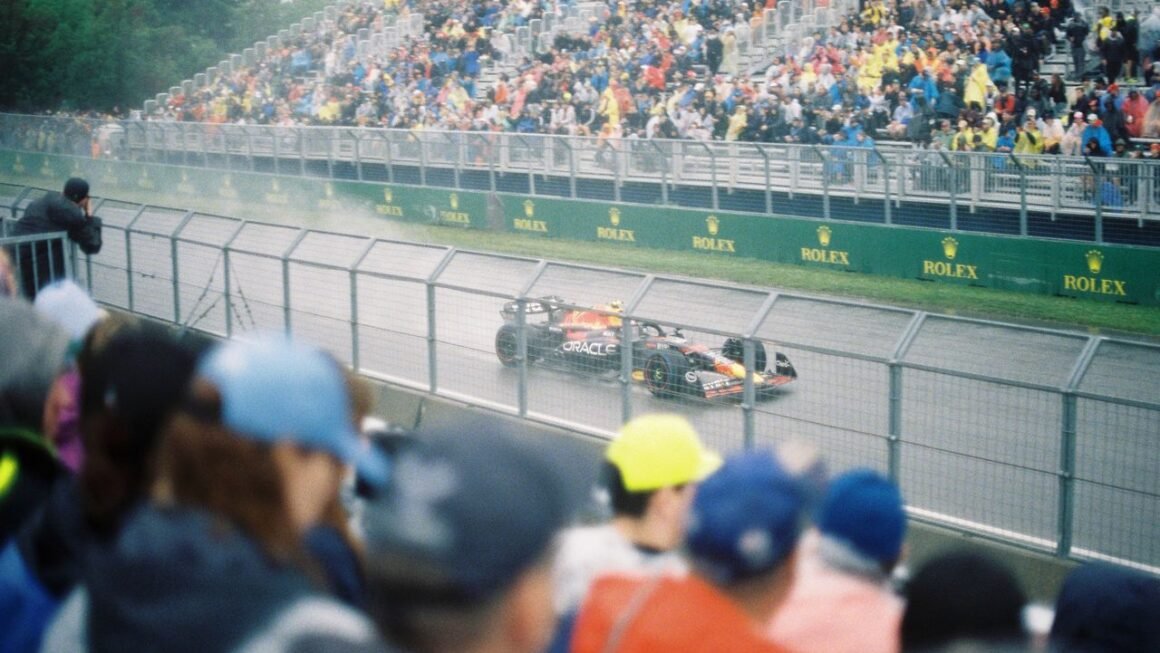
Montreal’s Grand Prix weekend turns into Canada’s biggest ticketed party circuit, with some tables topping $1,000
For three days every June, Montreal stops being a city that hosts a race and becomes a city built around one. Peel Street and Crescent Street close to traffic. Bars book headline DJs a year in advance. VIP tables at venues like New City Gas and Windsor Station run past $1,000 a night, according to event listings tracked by RaceWeek Montreal. You can walk into a free street festival on Crescent or drop four figures on a table inside an hour, and both experiences count as “doing the Grand Prix” in this city.
That gap, between free public spectacle and closed-door luxury spend, is what makes Montreal’s race weekend different from most North American sporting events. The National Bank Open, the city’s other marquee event on the calendar, draws serious tennis crowds every August but doesn’t generate anything close to the same nightlife economy. That difference says something about event tourism, not just motorsport.
Key takeaways
- Book accommodations for Grand Prix weekend (typically early to mid-June) at least four to six months out. Hotels in the Peel and Crescent corridor sell out fastest and prices climb sharply as the date approaches.
- If you want a free experience, plan around the Crescent Street festival and Peel Street closures rather than paid parties. Both areas offer dozens of free events without a cover charge, per Tourisme Montréal event guides.
- For VIP tables, contact venues directly (New City Gas, Rodeo, 1931) rather than third-party resellers. Party organizers like RaceWeek Montreal and GrandPrix Montreal list confirmed lineups and pricing tiers months in advance.
- Compare the November National Bank Open dates too: the tournament’s overlap with back-to-school season means restaurant and hotel rates are lower than June, making it a cheaper way to experience Montreal’s event culture.
- If noise and crowd density matter to you, avoid booking directly on Crescent Street itself. One block over gets you proximity without the loudest hours of street closures.
Peel Street and Crescent Street shut down as the center of race weekend nightlife
Peel Street turns into what one description calls “a bona fide weekend racing party,” offering more than a dozen distinct venues and pop-up bars along a few blocks, according to coverage from Montreal event guides. Crescent Street runs its own parallel festival, with outdoor stages, food vendors, and DJ sets that don’t require a ticket to enter.
The two streets function differently. Crescent leans toward the free, public-facing side of the weekend: a festival atmosphere aimed at tourists and locals who want to feel the race without paying club prices. Peel Street skews toward the ticketed and reservation-based crowd, with venues charging cover or requiring table bookings once demand ramps up on Friday and Saturday nights.
How bar owners and the city coordinate street closures
Street closures don’t happen by accident. Montreal’s borough authorities and event organizers coordinate road shutdowns on Crescent and Peel in the days leading into the race, typically starting Thursday and running through Sunday. Bar owners along both corridors extend outdoor patio permits and often add temporary stages or tent structures for the weekend, according to details published by local event organizers including GRAND PRIX Montreal Lifestyle & Events.
The coordination isn’t purely goodwill. Bars profit heavily from extended outdoor capacity, and the city collects permit fees and benefits from the tourism spend that follows. It’s a transactional arrangement dressed up as civic celebration, and it works because both sides get paid.
Inside the ticket economy: from free street festivals to $1,000-a-table VIP packages
The spread is wide. On one end, Crescent Street’s festival costs nothing to attend. On the other, VIP tables at flagship parties run four figures. The Maxim Grand Prix Party at Windsor Station has been described as “undoubtedly the most anticipated event of racing’s biggest weekend,” per GrandPrix Montreal, and pricing for its top-tier packages reflects that reputation.
“The best parties, events, and nightlife for the Montreal Formula 1 Grand Prix, from free street festivals to $1,000-a-ticket blowouts,” reads one description of the weekend’s offerings from event coverage tracked ahead of the 2026 race.
In between those extremes sits a tiered system: general cover charges at venues like Bord’Elle or Yoko Luna, mid-range packages that include bottle service without a full table, and invite-only events like Bal Interdit at the Ritz-Carlton that operate closer to a private party than a public ticketed event.
Where the money goes: venues, promoters, and the city’s cut
Three parties typically split the revenue from a single ticket or table sale. Venues keep the largest share, covering staff, security, and the cost of booking touring DJs or acts like Steve Aoki, who has headlined Red Bull’s Saturday night party at New City Gas in past years. Promoters and event organizers take a cut for marketing, guest list management, and coordinating with talent agencies. The city collects indirectly, through permit fees for street closures and extended licensing hours, plus the broader tax base generated by hotel occupancy and restaurant spend during the weekend.
National Bank Open overlap adds a second wave of nightlife demand in August
Montreal doesn’t shut down its event-driven nightlife after the checkered flag drops in June. The National Bank Open, the city’s ATP and WTA tennis tournament, brings a second, smaller wave of hospitality demand later in the year. It doesn’t match the Grand Prix in scale, but it follows a similar logic: a marquee sporting event pulls in out-of-town visitors who spend on hotels, restaurants, and bars around the venue.
National Bank Open Montreal nightlife centers more around Stade IGA and the surrounding Jarry Park area than downtown’s Peel and Crescent corridor, which naturally caps its overlap with the bar and club scene that defines Grand Prix weekend. Tennis crowds skew toward dinner reservations and hotel bars rather than $1,000 VIP tables, a difference that shows up directly in venue revenue during the two events.
Why hotel and restaurant bookings spike twice a year in Montreal
Montreal’s hospitality sector effectively gets two high-demand windows a year instead of one. June’s Grand Prix weekend drives the sharpest and most expensive spike, with hotel rates in the downtown core often doubling compared to a typical June weekend. August’s National Bank Open produces a smaller, steadier bump concentrated around the tournament’s two-week run rather than a compressed three-day burst.
How Montreal’s race weekend stacks up against Monaco, Miami, and Las Vegas Grand Prix parties
Montreal doesn’t try to out-glitz Monaco or out-spend Las Vegas. Its advantage is accessibility: a free street festival on Crescent sits a few blocks from four-figure VIP tables, letting visitors choose their spend level in a way Monaco’s yacht-and-marina scene doesn’t really allow.
Ticket prices and attendance compared across host cities
| City | Entry-level nightlife access | Top-tier VIP pricing | Defining nightlife zone |
|---|---|---|---|
| Montreal | Free (Crescent Street festival) | $1,000+ per table | Peel Street / Crescent Street |
| Monaco | Largely inaccessible without race tickets or club membership | Several thousand dollars, yacht/club based | Port Hercule marina district |
| Miami | Ticketed festival grounds, moderate cover charges | High four figures at Hard Rock Stadium campus events | Hard Rock Stadium surroundings |
| Las Vegas | Ticketed Strip events, casino partnerships | Comparable to or exceeding Montreal’s top tier | The Strip / casino resort venues |
The comparison shows a city that trades scale for range. Montreal won’t match Vegas dollar-for-dollar at the top end, but it offers more free, public-facing entry points than Monaco or Miami’s stadium-anchored model.
Noise complaints, crowd control, and policing costs the city absorbs each June
Extended street closures and late-night crowds generate friction. Residents along Crescent and Peel routinely raise noise complaints during race weekend, and the city deploys additional police and crowd-control personnel to manage the density of pedestrians moving between venues. These costs get absorbed into the broader municipal budget for the event, alongside cleanup and infrastructure wear from the temporary closures.
Montreal has made this trade-off for years: accept the friction in exchange for the tourism revenue and international visibility the race weekend generates.
What’s new for the 2026 and 2027 race weekends
The 2027 Canadian Grand Prix is set for May 24, 2027, shifting the event earlier in the calendar than its typical June slot, according to early event announcements. That date change could reshape the weekend’s weather conditions and, by extension, how much of the nightlife activity spills outdoors onto Crescent and Peel versus staying inside venues.
Confirmed venues and headline acts announced so far
For 2026, confirmed or rumored venues include Bord’Elle, Rodeo, 1931, Bal Interdit at the Ritz-Carlton, and Yoko Luna, according to early listings from event guides covering the race weekend. Windsor Station’s Maxim Grand Prix Party is expected to return as one of the weekend’s marquee ticketed events, keeping a pattern established in recent years. Full headline talent announcements for both 2026 and 2027 typically land closer to the event date; in past years, lineups were confirmed only weeks ahead.
Frequently asked questions
When is the Montreal Grand Prix weekend in 2026?
The Canadian Grand Prix typically runs in early-to-mid June, though exact 2026 dates depend on the official F1 calendar release. Party organizers and venues generally confirm their event lineups a few months ahead of the race weekend itself.
How much do Montreal F1 party tickets cost?
Prices span from free (Crescent Street’s street festival) to over $1,000 for VIP tables at venues like New City Gas or Windsor Station, according to event coverage from RaceWeek Montreal and similar guides. Mid-range cover charges and bottle service packages fill the space in between.
What is the biggest party during Montreal F1 weekend?
The Maxim Grand Prix Party at Windsor Station is widely cited as the weekend’s most anticipated single event, per GrandPrix Montreal. Red Bull’s Saturday night party at New City Gas, which has featured Steve Aoki in past years, also ranks among the weekend’s headline draws.
Do I need a ticket to experience Peel Street during Grand Prix weekend?
No. Peel Street’s street-level activity and outdoor festival elements are free to walk through. Tickets or reservations only become necessary once you want entry into specific venues, VIP sections, or table service inside the bars and clubs along the strip.
How does Montreal F1 nightlife compare to the National Bank Open?
Grand Prix weekend generates a sharper, more concentrated nightlife surge centered on Peel and Crescent streets over three days. National Bank Open Montreal nightlife spreads over a longer tournament window, concentrates more around Jarry Park, and skews toward restaurant and hotel bar spending rather than club and VIP table culture.
Montreal’s tennis tournament pulls serious crowds and real hospitality revenue, but it hasn’t built the same ticketed party infrastructure that Grand Prix weekend has spent years refining. Closing that gap would mean National Bank Open organizers borrowing directly from the F1 playbook: partnering with venues along a defined nightlife corridor, coordinating street-level programming free to the public, and letting promoters build VIP tiers around match nights the way Windsor Station and New City Gas do around race nights. The blueprint already exists three kilometers away on Peel Street. Whether tennis in this city wants to use it is a separate question.