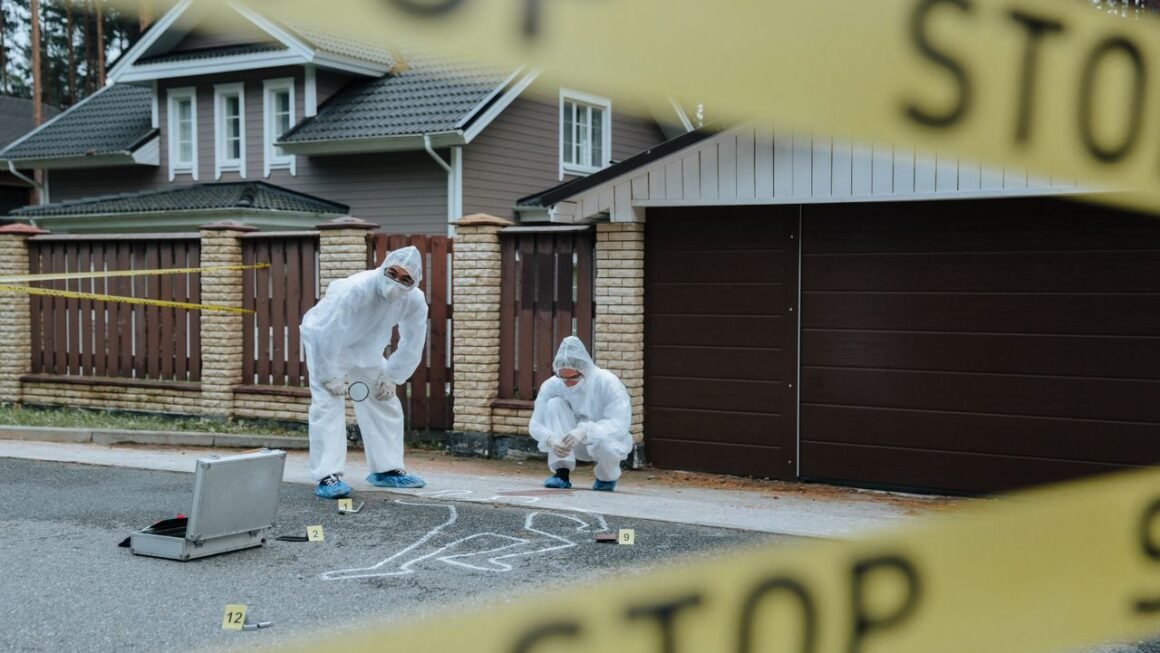
44-year-old woman found stabbed to death in Saint-Michel apartment, Montreal’s 15th homicide of 2026
A 44-year-old woman is dead after police found her stabbed inside a Saint-Michel apartment Saturday afternoon, in what the SPVM has confirmed as Montreal’s 15th homicide of 2026. Officers were called to the residence for what began as a wellness check before the call escalated into a full homicide investigation. Investigators have since named the victim’s partner as a suspect, and the SPVM’s major crimes unit has taken over the file. The Saint-Michel apartment stabbing is now one of the cases advocacy groups are folding into Quebec’s running femicide count for 2026.
Key takeaways
- If you live with a partner in a high-conflict relationship, Quebec’s SOS violence conjugale line (1-800-363-9010) operates 24/7 and can connect you to shelter space the same day.
- Neighbours or building staff who notice prolonged silence, unanswered wellness checks, or visible injuries on a resident should call 911 directly rather than wait. The SPVM’s initial response in this case began as exactly that kind of check.
- Anyone tracking Quebec’s femicide count for 2026 should treat community-maintained tallies as more current than official government statistics, which typically lag by months.
- Journalists and researchers citing this case should distinguish it from the NDG homicide involving Ricardo Mathieu François, since the two cases differ in classification, suspect count, and motive.
- If you or someone you know fears an intimate partner, document incidents in writing and share them with a trusted contact before a crisis point. SPVM investigators routinely rely on this kind of record in domestic homicide cases.
Timeline: how the Saint-Michel discovery unfolded Saturday afternoon
The call came in as a request to check on a resident who had not been heard from, a routine dispatch that police handle regularly across the city. Officers arrived at the Saint-Michel address Saturday afternoon and found the 44-year-old woman dead inside the apartment, with visible stab wounds. Paramedics confirmed she could not be revived at the scene.
“Officers responded to a call for a wellness check and found the victim deceased inside the apartment,” the SPVM said in a statement following the discovery.
The SPVM’s forensic identification unit processed the scene through the evening, a step that typically takes several hours in an indoor stabbing case. The coroner’s office was notified to determine an official cause of death and timeline, standard procedure whenever a death is classified as suspicious. By Saturday night, homicide investigators had already begun interviewing people connected to the victim, including her partner.
Suspect details and the SPVM’s investigation into the victim’s partner
Investigators have named the victim’s partner as the main suspect, according to media reports citing the SPVM. Police have not confirmed whether an arrest has been made as of this report, and the investigation remains active. Detectives are working to establish a timeline of the hours before the wellness check call, including whether the partner was present at the time of death.
“This is an active and ongoing investigation, and detectives are working to establish the exact circumstances that led to her death,” the SPVM said.
Domestic homicide cases like this one often move faster through the courts once a suspect is in custody, but the initial 24 to 48 hours focus almost entirely on forensic corroboration: phone records, security footage from the building, and statements from neighbours who may have heard the altercation.
Why the SPVM is treating this as a femicide investigation
The SPVM has not issued a blanket policy statement labeling every domestic-related death a femicide, but internal practice increasingly treats cases involving a female victim and a male intimate partner suspect this way for investigative purposes. That classification shapes which specialized units get involved, including domestic violence liaison officers who assess whether prior complaints or restraining orders exist involving the couple.
The SPVM’s femicide investigation designation also determines how the case gets reported to provincial bodies that track gender-based violence, and it often triggers a review of whether earlier warning signs, such as prior 911 calls to the same address, were missed.
What qualifies a homicide as a femicide under Quebec’s classification criteria
Quebec has no single government-mandated legal definition of femicide written into the Criminal Code, since homicide charges themselves remain gender-neutral. Instead, advocacy organizations and researchers, including groups aligned with the Canadian Femicide Observatory for Justice and Accountability, apply a working definition: the killing of a woman or girl because of her gender, most often by a current or former intimate partner or family member. Cases typically qualify when the suspect is a spouse, partner, or ex-partner, when there is a documented history of domestic violence, or when the killing follows a separation or custody dispute. The Saint-Michel case fits the most common pattern: a female victim, an intimate partner named as suspect, and a killing inside a shared or familiar residence.
Quebec’s femicide count for 2026 compared to prior years
Community organizations that track gender-based killings across the province typically update their tallies faster than any single government agency, since they compile cases directly from police statements and news coverage as they happen. The Saint-Michel case is expected to be added to that running list for 2026, though the exact provincial figure depends on which organization’s criteria are applied, since some groups count only intimate-partner cases while others include familial killings of women and girls more broadly.
Official statistics from Quebec’s public security ministry tend to lag community tallies by several months, which means the most current picture of Quebec’s femicide count for 2026 comes largely from advocacy groups rather than government dashboards. That lag has been a recurring point of criticism from organizations working directly with domestic violence survivors, who argue that real-time tracking would help identify patterns faster.
How Montreal’s 15 homicides in 2026 compare to the city’s typical annual pace
Montreal’s annual homicide totals have generally landed somewhere in the high teens to high twenties over the past several years, based on year-end tallies compiled by local outlets each December. Reaching a 15th homicide well before the calendar year ends would put 2026 on a pace that tracks close to, or slightly above, recent norms, though a handful of additional cases in either direction can shift that comparison significantly. Homicide counts in a city Montreal’s size are volatile enough that a cluster of two or three cases in a short window can change the year-over-year narrative fast.
The NDG case and other recent Montreal homicides for context
Montreal police arrested a fourth suspect this week in a separate homicide case tied to the death of a 55-year-old victim in Notre-Dame-de-Grâce. Ricardo Mathieu François was taken into custody at an Ontario detention facility on Tuesday, in connection