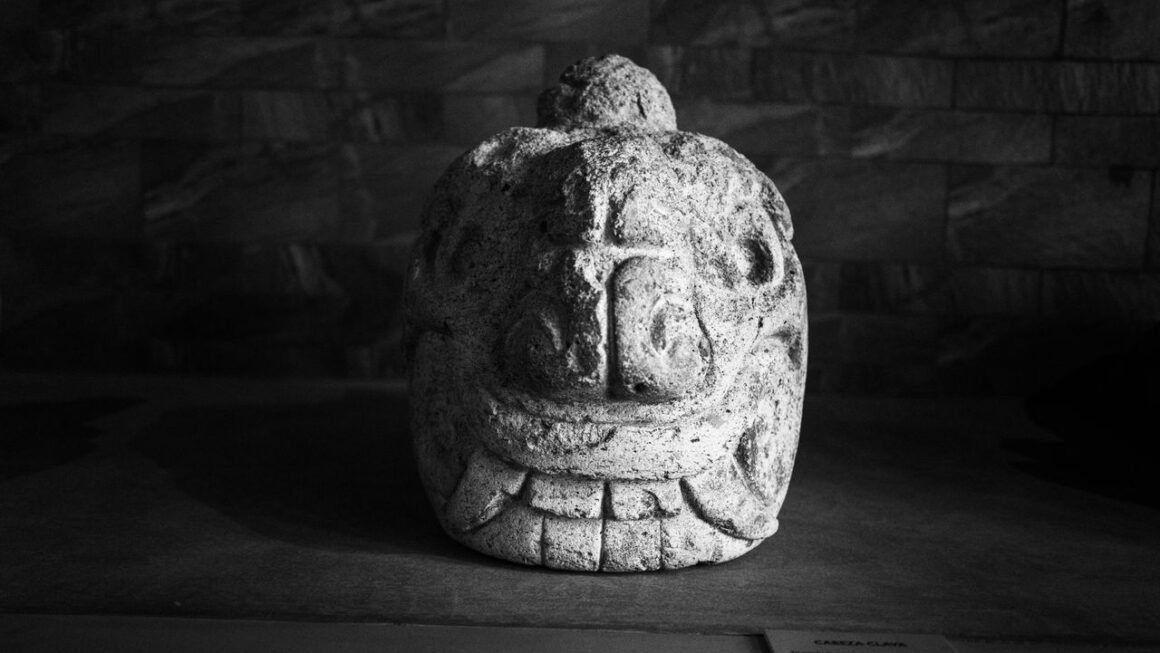
2,000-year-old Nasca-style bowl seized from Montreal auction house, repatriated to Peru
A pre-Hispanic bowl believed to be roughly 2,000 years old has been returned to Peru after it surfaced for sale at a Montreal auction house. The RCMP’s Art Crime and Cultural Heritage Crime program worked with Peruvian authorities to confirm the bowl’s origin and arrange its voluntary return, according to reporting from the Montreal Gazette. The artifact, identified as a Nasca-style ceramic vessel, had been listed among other items at auction before a tip led investigators to intervene.
The auction house isn’t named in most public reporting, since these cases are typically resolved quietly, without litigation or public naming of sellers who cooperate. The precedent matters more: an ancient artifact was pulled from a legitimate commercial sale channel in Canada and sent home, using a legal and diplomatic framework built specifically for this kind of recovery.
Key takeaways
- If you’re bidding at a Canadian auction house on pre-Columbian, ancient, or archaeological items, ask for full provenance documentation before you bid, not after you win.
- Auction houses in Canada are legally required to check items against Canada’s Cultural Property Export and Import Act before listing suspect antiquities; gaps in that screening are how artifacts like this bowl slip through.
- If you suspect an item at auction may be looted or undocumented cultural property, you can report it directly to the RCMP’s Art Crime and Cultural Heritage Crime program rather than waiting for the sale to close.
- Peru’s cultural heritage authorities maintain records of known site typologies (including Nasca ceramics), which is often how a repatriation case starts: a match between an auction photo and a known archaeological profile.
- Expect the repatriated bowl to enter a Peruvian museum custody chain rather than private hands. That is the standard outcome under both the UNESCO 1970 Convention and Peru’s own cultural patrimony laws.
How the bowl was spotted at a Montreal auction house
The auction listing that triggered the investigation
The bowl appeared as one listing among many at a Montreal auction house, described in sale materials as a pre-Hispanic ceramic piece. Items like this typically move through small regional sales with limited provenance detail, which is the vulnerability investigators say traffickers rely on. Once the listing became public, through catalog circulation or online posting, it drew attention from someone familiar enough with Andean ceramics to flag it as a potential Nasca-style piece rather than a generic decorative bowl.
Identifying markers of Nasca-style pottery
Nasca-style pottery, produced by the Nasca culture that flourished in southern Peru roughly between 100 BCE and 800 CE, is identifiable through specific technical and stylistic traits. It can typically be spotted by its polychrome slip painting, applied before firing rather than after, using mineral pigments in a distinctive palette of red, black, white, and orange. Motifs commonly include stylized animals, mythological figures, and geometric bands wrapped around the vessel’s curvature. These markers gave investigators enough visual confidence to treat the Montreal listing as a genuine pre-Hispanic artifact rather than a modern reproduction, prompting formal inquiry.
Inside the RCMP Art Crime and Cultural Heritage Crime investigation
How Canadian and Peruvian authorities coordinated
Once flagged, the case moved into the RCMP’s Art Crime and Cultural Heritage Crime program, the unit responsible for investigating trafficking in cultural property within Canada and coordinating international repatriation requests. It isn’t a large standing task force; it’s a specialized function within the RCMP that liaises directly with foreign ministries of culture, Interpol’s Works of Art unit, and Canadian border and customs authorities when an artifact’s origin is in dispute.
In this case, RCMP investigators worked with Peruvian cultural heritage officials to establish the bowl’s likely archaeological origin and confirm it fell under Peru’s protected patrimony laws, which classify all pre-Hispanic artifacts as state property regardless of who currently holds them.
“The bowl itself may be small, but it is part of a much larger effort to protect cultural heritage and return stolen history to its rightful place,” according to reporting on the case published by the Montreal Gazette.
Why the auction house agreed to a voluntary return
The auction house did not contest the claim once presented with evidence of the bowl’s likely provenance and Peru’s legal ownership claim. This is the typical pattern in cultural property cases: once a credible government-backed claim is presented, sellers usually choose voluntary surrender over a prolonged legal fight, since Canadian courts have generally sided with claims backed by UNESCO-recognized documentation. Voluntary return also avoids reputational damage for the auction house, which would otherwise be publicly tied to a trafficking investigation.
The legal framework: UNESCO 1970 Convention and Canada’s Cultural Property Export and Import Act
What the 1970 Convention obligates member states to do
The UNESCO 1970 Convention on the Means of Prohibiting and Preventing the Illicit Import, Export and Transfer of Ownership of Cultural Property is the international treaty underpinning this case. Canada ratified it in 1978, and Peru ratified it in 1979. Under the convention, member states agree to restrict the import of cultural property stolen from museums or excavated illegally from another member state, and to assist in recovering and returning such property when requested through proper diplomatic channels.
The convention isn’t self-enforcing, though: it requires domestic legislation to have teeth, which is what Canada passed in 1977 with the Cultural Property Export and Import Act.
Canada’s track record on repatriation cases
Canada’s Cultural Property Export and Import Act gives the federal government legal authority to seize and return cultural property when a foreign state requests it under a bilateral or multilateral cultural agreement. Below is a comparison of how this bowl case fits the general repatriation process under the Act.
| Step | Legal basis | Typical actor involved |
|---|---|---|
| Identification of suspect artifact | Cultural Property Export and Import Act, provenance review | RCMP Art Crime and Cultural Heritage Crime program |
| Verification of origin and ownership claim | UNESCO 1970 Convention, bilateral agreement with Peru | Peruvian Ministry of Culture, RCMP liaison |
| Seizure or voluntary surrender | Cultural Property Export and Import Act, Section 37 | Auction house, Canada Border Services Agency |
| Formal transfer to country of origin | Diplomatic note, repatriation agreement | Global Affairs Canada, Peruvian embassy |
| Custody transfer to museum | Peru’s national patrimony law | Ministry of Culture, regional museum authority |
This case followed that same sequence, with the auction house’s cooperation shortening what can otherwise be a multi-year legal process in contested repatriation cases.
Why Nasca artifacts are targeted by traffickers
The scale of looting at Peruvian archaeological sites
Nasca sites in southern Peru, particularly along the Ica and Nazca river valleys, have been targeted by looters for decades because of the density of intact burial goods, including ceramics, textiles, and metalwork, left in shallow desert graves. Peru’s Ministry of Culture has documented thousands of looted or disturbed archaeological sites nationwide, with Nasca-region cemeteries among the most frequently hit due to the arid climate that preserves organic material and makes looted goods more marketable internationally.
Much of the modern awareness of the region’s archaeological value traces back to formal discoveries like the one at the Regional Museum of Ica, where on October 27, 1966, researchers uncovered a monumental granary bowl, at the time the largest of its kind documented in the region, according to museum records referenced in coverage of the current repatriation case. That kind of institutional documentation gives investigators a comparison baseline when a suspect item turns up abroad.
How looted pottery enters North American auction markets
Looted pottery typically moves from clandestine excavation to intermediary dealers, often crossing multiple borders before reaching a legitimate-seeming auction house or private gallery. There’s rarely a direct paper trail from grave site to Montreal saleroom; instead, items pass through estate sales, private collections, or secondary auctions where provenance documentation becomes vague or simply absent. That vagueness is often not accidental; it’s the mechanism that lets looted goods blend into legal art markets, since auction houses generally aren’t required to independently verify centuries-old chains of custody unless a red flag, like a known site match, triggers scrutiny.
What happens to the bowl now that it’s back in Peru
Repatriation-to-museum pipeline and custody procedures
Once a repatriated artifact like this bowl lands back in Peru, it doesn’t go directly into public display. It first passes through Peru’s Ministry of Culture for formal accession, cataloging, and condition assessment, a process that confirms the piece matches the description used in the original repatriation claim. From there, it’s typically assigned to a regional museum near its presumed site of origin, in this case likely a museum in the Ica or Nazca region given the bowl’s stylistic classification.
This pipeline exists specifically to prevent repatriated items from re-entering private circulation, a risk that has occurred in past cases across Latin America when custody procedures weren’t formalized quickly enough after a high-profile return.
Frequently asked questions
How old is the Peruvian bowl returned from Montreal?
The bowl is believed to be roughly 2,000 years old, dating it to the Nasca culture period in southern Peru, which produced ceramics between approximately 100 BCE and 800 CE.
What is Nasca-style pottery?
Nasca-style pottery is a distinctive pre-Hispanic ceramic tradition from southern Peru, known for polychrome slip painting in red, black, white, and orange, depicting stylized animals, mythological figures, and geometric patterns.
How did the RCMP get involved in the case?
The RCMP’s Art Crime and Cultural Heritage Crime program was alerted after the bowl was identified at a Montreal auction house, then coordinated with Peruvian authorities to verify its origin and arrange its return.
What is the UNESCO 1970 Convention and does Canada enforce it?
The UNESCO 1970 Convention is an international treaty restricting trade in illegally exported or stolen cultural property. Canada ratified it in 1978 and enforces it domestically through the Cultural Property Export and Import Act.
Can auction houses in Canada legally sell ancient artifacts?
Auction houses can sell ancient artifacts in Canada, but only with legitimate provenance documentation. Items suspected of being looted or illegally exported can be seized or subject to repatriation claims under the Cultural Property Export and Import Act.
If you’re involved in the antiquities trade in Canada, whether as a buyer, seller, or auction house, treat this case as a benchmark, not an outlier. Provenance gaps that once went unnoticed are now the exact signal that triggers an RCMP inquiry, and voluntary return is increasingly the fastest way out of one.