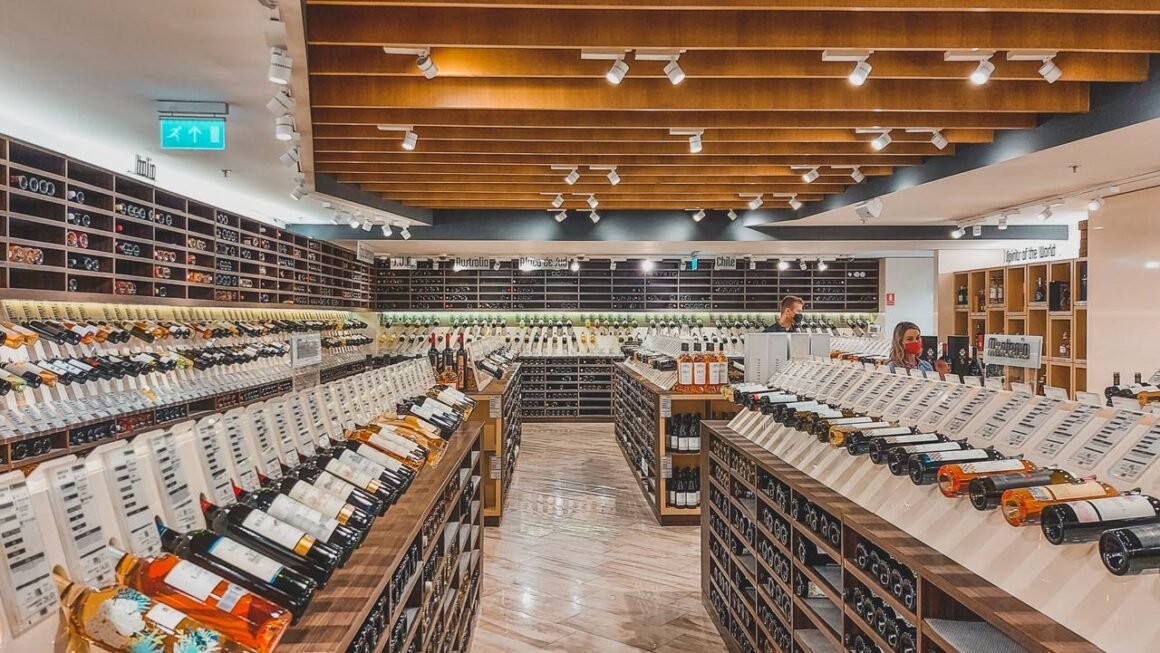
SAQ begins selling limited stock of U.S. alcohol starting February 12, 2026, but reordering ban stays in place
If you’re heading to your local Société des alcools du Québec store this month, you’ll start seeing a handful of American bottles back on the shelves for the first time in nearly a year. Starting February 12, 2026, the SAQ has been authorized to sell selected U.S. products that have been sitting in warehouses since March 2025, when Quebec pulled all American alcohol in response to Trump administration tariffs on Canadian goods.
Don’t mistake this for a policy reversal. The Quebec Ministry of Finance has been explicit: the ban on placing new orders for American liquor remains fully in effect. What’s happening instead is closer to inventory management than diplomacy. The province is clearing out roughly $27 million worth of U.S. alcohol before it expires, with a hard deadline of March 2027 to move the stock or destroy it.
Key takeaways
- Check expiry-driven restocks at your local SAQ: only U.S. products already in Quebec’s warehouses since March 2025 are returning, not new shipments, so selection will be limited and inconsistent by store.
- Don’t expect bourbon or California wine to reappear at SAQ Dépôt or SAQ.com in bulk. Reordering from American suppliers stays banned, so once this stock sells out, it’s gone again.
- If you want American brands specifically, SAQ Dépôt locations and select online listings remain your best bet, since some outlets have handled U.S. inventory differently from standard retail branches.
- Watch for the March 2027 deadline. Unsold American alcohol after that date faces destruction or return to suppliers, so any remaining stock will likely see markdowns before then.
- Track federal-provincial trade talks, not just SAQ announcements. Premier’s office statements indicate the ban lifts only “until an agreement” is reached between Canada and the U.S., meaning the real trigger sits outside Quebec’s control.
Timeline: from March 2025 boycott to the February 2026 partial restock
March 4, 2025: Quebec pulls all American products in response to Trump tariffs
Quebec’s move wasn’t isolated. It came days after President Trump imposed tariffs on Canadian steel, aluminum, and a range of other goods, triggering a wave of retaliatory measures across the country. On March 4, 2025, the Quebec Ministry of Finance instructed the SAQ to remove “all American products” from its shelves and online store, according to internal directives cited by multiple outlets covering the decision. The order covered everything from Kentucky bourbon to California wine, erasing an entire category of the SAQ’s American import business overnight.
The timing lines up with a broader provincial pattern. Ontario’s LCBO made a similar call around the same period, and other provincial liquor boards followed within weeks. But Quebec’s version came with a twist most consumers didn’t notice at first: the SAQ didn’t destroy or return the existing inventory. It boxed it up and put it in storage.
11 months in storage: the fate of $27 million in inventory
Nearly $27 million worth of American alcohol sat untouched in SAQ warehouses for close to 11 months, based on figures reported by outlets tracking the boycott’s financial fallout. That’s not a rounding error for a provincial liquor monopoly. It’s thousands of bottles, from mainstream bourbon labels to niche American craft spirits, all quietly aging past their ideal shelf window while the trade dispute dragged on with no resolution in sight.
Storage isn’t free, and neither is the risk of spoilage. Wine in particular has a narrower quality window than most spirits, and by late 2025 the SAQ was facing a choice: let a meaningful chunk of that $27 million become a total write-off, or find a way to sell it before it degraded further.
February 2026: expiring stock authorized for sale ahead of March 2027 deadline
That choice arrived on February 12, 2026. The Quebec government authorized the SAQ to restock select U.S. products, specifically those “whose quality might start” to decline, according to reporting on the government’s directive. The province set March 2027 as the outer deadline for offloading this specific batch of inventory, giving the SAQ roughly 13 months to sell through stock that’s already been sitting for nearly a year.
“The ban on reordering American products remains in effect.”
That line, attributed to Quebec officials in coverage of the announcement, is doing a lot of work. It draws a hard boundary between clearing legacy inventory and resuming normal trade with American suppliers. The two are not the same policy, and Quebec has been careful not to let the restock get read as a thaw.
What’s changing and what isn’t
Which U.S. products are returning to shelves
The returning products are limited to what was already sitting in SAQ warehouses when the March 2025 ban took effect. That means specific vintages of American wine, certain whiskey and bourbon labels, and other spirits that were mid-shipment or already purchased before the boycott began. There’s no indication that new categories or fresh American releases are part of this restock. If a product wasn’t already in Quebec’s inventory before last March, it’s not coming back through this channel.
Availability will vary significantly by store. Larger SAQ locations and SAQ Dépôt outlets, which typically carry higher-volume stock, are more likely to have meaningful quantities of the returning American products than smaller neighborhood branches.
Why new orders of American liquor remain banned
The distinction matters because it tells you where Quebec’s policy actually stands. Selling off existing stock is a practical response to a $27 million inventory problem. Refusing to place new orders is a political stance tied directly to the tariff dispute. According to reporting on the government’s own criteria, the ban applies to “U.S. products that do not meet established criteria” for reordering, a threshold that hasn’t been met since March 4, 2025.
In other words, the SAQ isn’t quietly resuming trade with American distillers and wineries. It’s managing a liquidation. Once the current stock sells out or hits its March 2027 deadline, there’s no mechanism in place for automatic replenishment.
Christine Fréchette’s role and the Quebec Ministry of Finance directive
The Quebec Ministry of Finance issued the directive governing both the original ban and the February 2026 exception, placing the decision squarely within the provincial government’s economic policy apparatus rather than the SAQ’s own retail judgment. Christine Fréchette, as Quebec’s minister responsible for economic matters tied to trade, has been associated with the province’s broader posture on U.S. trade retaliation throughout this dispute. The SAQ, as a Crown corporation, is executing government policy here, not setting it independently.
How the SAQ decision fits into the broader Canada-U.S. alcohol trade dispute
Other provinces’ responses: Ontario’s LCBO, Nova Scotia, and beyond
Quebec isn’t operating in isolation. Ontario’s LCBO pulled American products from its shelves around the same period in early 2025, part of a coordinated provincial response to Trump’s tariff actions. Nova Scotia took similar steps, and reporting on the province’s inventory suggests it has also been managing a stockpile of American alcohol rather than returning it to suppliers outright.
The result is a patchwork. Some provinces have eased restrictions faster than others, some have destroyed inventory rather than storing it, and the rules around what counts as “American” for labeling purposes have varied enough to create confusion for cross-border retailers and consumers alike.
| Province | Status as of early 2026 | Reordering U.S. alcohol? |
|---|---|---|
| Quebec (SAQ) | Selling expiring pre-2025 stock only | No |
| Ontario (LCBO) | Pulled products in 2025, policy under review | No |
| Nova Scotia | Managing existing inventory | No |
| British Columbia | Restrictions in place, varying by category | Limited |
Tariffs, retaliation, and the “buy Canadian” consumer shift
The provincial liquor boycotts didn’t happen in a vacuum. They followed Trump’s tariffs on Canadian steel, aluminum, and other exports, and they became one of the most visible consumer-facing forms of retaliation available to provincial governments, which control alcohol distribution as a matter of policy rather than federal jurisdiction. That gave premiers a lever the federal government didn’t directly control.
The “buy Canadian” sentiment that followed has outlasted the initial news cycle. Quebec consumers, according to reporting on shifting purchase patterns, have moved meaningfully toward domestic and non-U.S. imported alcohol over the past year, a trend the SAQ’s own sales data is likely to reflect in categories like Quebec cider, craft beer, and European wine imports.
Impact on consumers and the market
What Quebecers are drinking instead: the rise of local and non-U.S. imports
The boycott has visibly changed shopping habits, according to reporting titled “U.S. alcohol boycott has changed what Quebecers drink.” With bourbon and California wine harder to find, Quebec drinkers have shifted toward local producers and imports from outside the U.S., including French, Italian, and other European labels that don’t carry the same tariff baggage. Quebec’s own spirits and wine industry, still relatively young compared to established American categories, has picked up some of that demand.
This shift matters beyond individual purchasing decisions. It suggests that even a full resolution to the tariff dispute might not fully restore American alcohol’s previous market share in Quebec. Consumer habits, once changed, don’t always snap back.
Where to still find American brands: SAQ Dépôt and online exceptions
If you specifically want an American label, SAQ Dépôt locations remain a more reliable option than standard SAQ branches, since these outlets tend to carry higher-volume stock and have handled the restocked inventory differently. Some online listings on SAQ.com have also carried limited American selections tied to the February 2026 exception. Availability, though, is tied directly to that finite $27 million pool. Once specific bottles sell out, there’s no guarantee of replacement.
What happens to unsold U.S. inventory after March 2027
Quebec has set March 2027 as the deadline for moving through this batch of American alcohol. What happens to anything unsold by then hasn’t been fully detailed in public statements, but the standard options for expired or unsellable inventory in liquor retail are destruction or return to the original supplier, both of which represent a financial loss on top of the nearly year-long storage costs already absorbed.
What could end the ban entirely
Conditions Quebec has set for a full return to U.S. products
Quebec’s own language sets the bar plainly. According to the premier’s office, the removal of U.S. alcohol from SAQ shelves will remain in effect “until an agreement” is reached, tying the policy directly to the state of trade negotiations rather than to any internal Quebec timeline or review process. There’s no indication of a partial threshold or gradual phase-in beyond the current expiring-stock exception.
Federal-provincial dynamics and ongoing trade negotiations
The catch is that Quebec doesn’t control the timeline. Tariff negotiations between Canada and the U.S. run through federal channels, meaning the SAQ’s policy is effectively hostage to talks it has no seat at. Until Ottawa and Washington settle the underlying tariff dispute, expect Quebec’s position to hold exactly where it is: selling off what’s already on hand, and refusing to order anything new.
Frequently asked questions
Is American alcohol still banned in Canada?
Yes, in most provinces, including Quebec, the ban on new orders of American alcohol remains active. Quebec’s February 2026 restock only applies to inventory purchased before March 2025; it does not reopen trade with U.S. suppliers.
What alcohol was banned in the U.S.?
This question typically gets reversed in search results, but in Canada the relevant ban covers U.S.-produced alcohol, including bourbon, whiskey, wine, and other spirits, pulled from provincial liquor board shelves starting in early 2025 in response to Trump-era tariffs on Canadian goods.
Is Nova Scotia selling off American booze?
Nova Scotia has taken an approach similar to Quebec’s, managing existing American alcohol inventory rather than destroying it outright, though the specific terms and timelines for any restock differ from the SAQ’s February 2026 announcement.
Is Canada still boycotting U.S. liquor?
Largely yes. Provincial liquor boards, including the SAQ and Ontario’s LCBO, have kept reordering bans in place even as some, like Quebec, sell through pre-existing stock to avoid inventory losses.
Which provinces currently sell American liquor?
No major province has fully reopened trade with U.S. alcohol suppliers as of early 2026. Quebec sells limited pre-2025 stock through the SAQ, and other provinces like British Columbia maintain restrictions that vary by product category, but none have resumed standard reordering from American producers.
If you’re tracking this dispute closely, watch the federal trade talks more than SAQ press releases. The provincial liquor boards are executing a holding pattern, not setting the terms for when it ends.