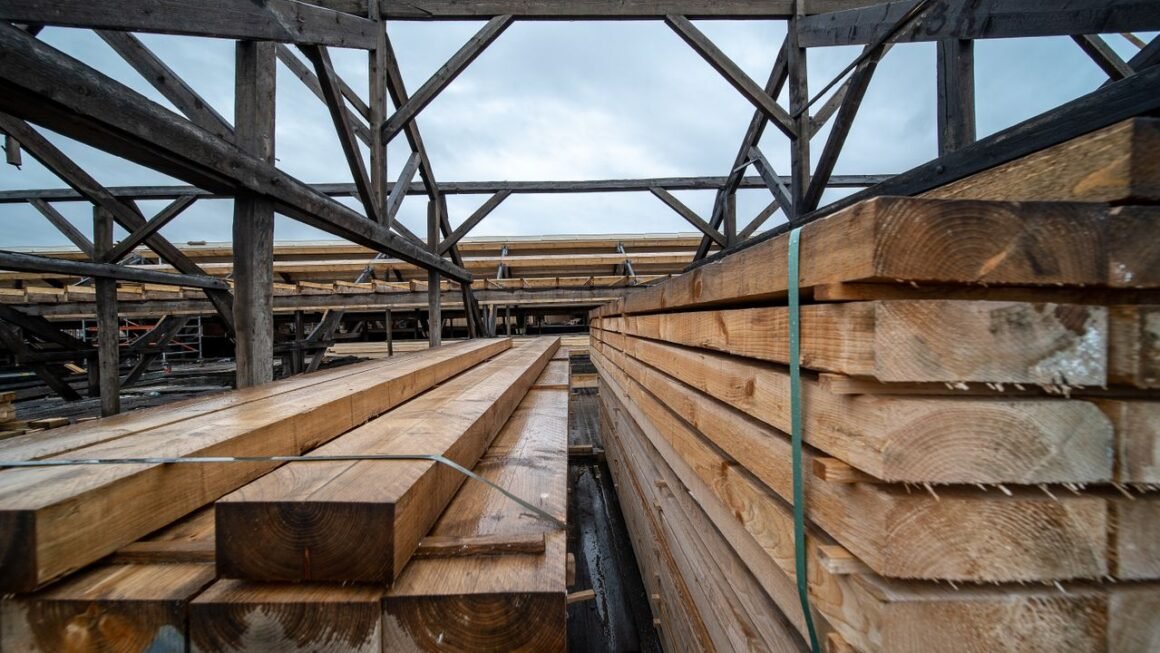
The British Columbia lumber sector, a cornerstone of the provincial economy, is currently navigating through a labyrinth of market challenges that threaten its stability and growth. This industry, which significantly contributes to the Canadian GDP, is facing a tumultuous period marked by fluctuating demand, trade disputes, and environmental concerns.
Historically, the BC lumber industry has been a robust economic engine, supporting thousands of jobs directly and indirectly. However, recent developments have cast shadows of uncertainty over its future. Industry experts point to a complex mix of factors that are reshaping the landscape, with implications not just for the industry, but for the broader Canadian economy as well.
One of the primary challenges facing the industry is the volatile demand from international markets, particularly the United States, which has long been BC’s largest lumber export market. The U.S. housing market, a critical determinant of lumber demand, has shown signs of slowing down in recent months, influenced by rising interest rates and economic uncertainty.
Additionally, trade tensions have exacerbated the situation. The long-standing softwood lumber dispute between Canada and the U.S. continues to create a climate of unpredictability. Tariffs imposed on Canadian lumber have not only made it more expensive in the U.S. market but have also led to legal battles and diplomatic tensions.
Environmental issues also play a significant role in the current challenges. BC’s forests have been severely impacted by climate change-related phenomena such as wildfires and pine beetle infestations, which have reduced the availability of quality timber. This decrease in supply has led to increased costs for lumber producers, squeezing their profit margins.
Furthermore, the industry is dealing with domestic challenges, including labour shortages and rising operational costs. The shortage of skilled workers is particularly acute in rural areas where most sawmills operate. This issue is compounded by the increasing cost of compliance with environmental regulations, which, while necessary for sustainable operations, add an additional layer of financial burden on producers.
The ripple effects of these challenges are felt across the province. Communities that rely heavily on lumber production are facing economic strain, which in turn affects local businesses and the overall economic health of the region.
Despite these hurdles, industry leaders and government officials are actively seeking solutions to stabilize and eventually revitalize the lumber sector. Initiatives to diversify export markets, invest in sustainable practices, and enhance workforce training programs are underway, aiming to build a more resilient industry.
The BC government has also been involved, working to mediate trade disputes and foster a favourable business environment for lumber companies. Efforts include diplomatic engagements with U.S. counterparts to alleviate trade tensions and exploring new markets in Asia and Europe.
Moreover, technological advancements offer a beacon of hope. Innovations in wood products and sawmill technologies promise to increase efficiency and productivity, potentially offsetting some of the cost increases and supply challenges.
As the BC lumber industry confronts these myriad challenges, the coming months will be crucial. The ability of all stakeholders to adapt to changing circumstances and to collaborate on finding viable solutions will likely determine the future trajectory of this vital sector.
Market Dynamics and Economic Impact
International Demand Fluctuations
The dependency on the U.S. market has always been a double-edged sword for the BC lumber industry. With American builders being major consumers of BC wood, any downturn in the U.S. housing market directly affects lumber sales. Recent economic indicators suggest a cooling down of the housing market south of the border, influenced by the Federal Reserve’s interest rate hikes intended to curb inflation. This slowdown poses a significant challenge for BC lumber exporters, who are already grappling with high tariffs.
Trade Disputes and Tariffs
The imposition of tariffs on Canadian lumber by the U.S. has been a contentious issue for decades. The current administration has not signaled any significant changes to this policy, which continues to strain bilateral relations and impact lumber trade. The Canadian government and industry leaders are actively engaged in negotiations and legal actions to challenge these tariffs, seeking a more equitable trade arrangement.
Environmental Challenges
BC’s lumber industry is not just fighting economic and trade battles but also facing significant environmental challenges. Wildfires and pest infestations have decimated millions of acres of forest, crucial for lumber production. These environmental issues are forcing companies to rethink their strategies, including the adoption of more sustainable and resilient forest management practices.
Industry Responses and Strategies
Technological Innovations
To counteract rising costs and supply issues, lumber companies are increasingly turning to technological innovations. New sawmill technologies that enhance wood yield and quality are being deployed. Additionally, the development of engineered wood products opens new markets and applications for BC lumber, potentially reducing reliance on traditional markets.
Government and Industry Collaboration
Recognizing the critical role of the lumber industry in the provincial economy, the BC government is actively collaborating with industry leaders. This partnership aims to stabilize the market through policy support, including efforts to open up new international markets and providing subsidies for innovation in sustainable forestry practices.
Community and Economic Health
Impact on Local Communities
Many communities in BC depend heavily on the lumber industry for employment and economic activity. The current challenges have led to job uncertainties and reduced economic activities in these regions. Community leaders and local governments are therefore deeply invested in the industry’s health, advocating for more support at both provincial and federal levels.
Future Outlook
While the immediate future presents significant challenges, there is cautious optimism about the industry’s long-term prospects. With concerted efforts from all stakeholders, including adopting innovative practices and diversifying markets, the BC lumber industry hopes to navigate through current turbulences towards a more stable and prosperous future.