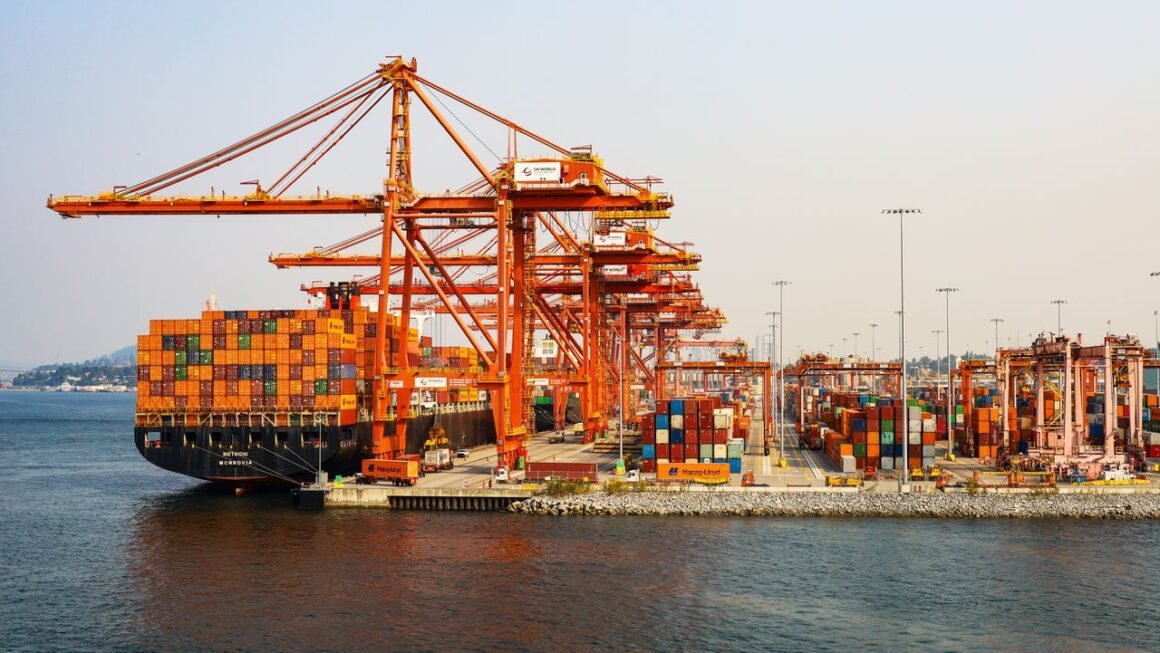
Vancouver, BC – The Port of Vancouver has recently reported a staggering increase in container volumes, reaching record-breaking numbers that highlight its growing significance in global trade. This surge not only underscores the port’s robust infrastructure but also marks a pivotal moment in Canada’s trade history.
In the latest figures released by the Vancouver Fraser Port Authority, the Port of Vancouver saw an unprecedented rise in container throughput in the past year. The total volume of containers handled by the port exceeded its previous records, showcasing a significant uptick in both import and export activities.
The increase in container volumes is attributed to several factors, including expanded global trade routes, enhanced port infrastructure, and increased demand for Canadian goods abroad. This growth comes at a time when supply chains worldwide are still stabilizing from the disruptions caused by the COVID-19 pandemic.
According to Robin Silvester, President and CEO of the Vancouver Fraser Port Authority, “The record container volumes represent not just a rebound from pandemic-related downturns but also a new era of growth for the Port of Vancouver. Our strategic investments in port infrastructure over the past few years have started to bear fruit, enabling us to handle larger volumes efficiently.”
The port’s success in managing increased container volumes is also a testament to its strategic geographic location. Situated on the west coast of Canada, the Port of Vancouver serves as a pivotal gateway for trans-Pacific maritime trade, linking Canada to crucial markets in Asia, the Americas, and Europe.
Enhancements to the port’s infrastructure have included upgrades to container handling facilities, increased storage capacity, and improved rail and road access. These improvements have played a crucial role in accommodating the surge in container traffic.
Environmental sustainability has also been a key focus for the port authorities. Initiatives to reduce greenhouse gas emissions and manage waste more efficiently are part of the broader strategy to ensure that the port’s expansion does not come at the expense of environmental health.
This record-setting performance has had significant economic implications for the region. “The increase in container traffic has bolstered local businesses and by extension, the entire economy,” noted a senior economist at the BC Chamber of Commerce. “It underscores the vital role the Port of Vancouver plays not only in Canada’s economy but also in the broader North American trade network.”
The port also saw increases in the handling of bulk commodities such as grain and potash, further diversifying its cargo base. This diversification has helped stabilize the port’s operations and reduce dependency on any single type of cargo.
Looking forward, the Vancouver Fraser Port Authority plans to continue expanding and updating its facilities to keep pace with anticipated growth in global trade and to address the evolving needs of international shipping lines and cargo owners.
Moreover, the port’s administration is working closely with local communities to ensure that the port’s expansion is aligned with the interests and well-being of its neighbours. Community engagement sessions and consultations have become a regular part of the port’s planning processes.
Additionally, the port has been actively involved in international trade discussions, advocating for fair and balanced trade policies that benefit all parties involved. These efforts are crucial in maintaining the port’s competitiveness on a global scale.
As the Port of Vancouver continues to break records and expand its capabilities, it remains a cornerstone of Canada’s economic landscape, driving trade, supporting jobs, and fostering economic growth across the country.
Analysis of Container Volume Growth
Factors Driving the Increase
The significant growth in container volumes at the Port of Vancouver can be traced back to a combination of strategic planning and global economic trends. Investments in infrastructure and technology have enabled the port to handle larger ships and more complex cargo mixes efficiently.
Impact on Local and National Economy
The ripple effects of increased container throughput extend beyond the port itself, benefiting a wide range of industries throughout Canada. These include manufacturing, retail, and agriculture, all of which rely on robust and efficient shipping routes to market their products globally.
Future Projections and Plans
With current trends indicating continued growth in container volumes, the Vancouver Fraser Port Authority is already planning further expansions and improvements. These include enhancing digital infrastructure to streamline operations and continuing to prioritize environmental sustainability in all development projects.
Environmental Considerations and Community Impact
Sustainability Efforts at the Port
In line with global environmental standards, the Port of Vancouver has adopted several measures to minimize its ecological footprint. These include initiatives aimed at reducing emissions, conserving water, and promoting recycling among port users.
Community Engagement and Feedback
The port’s expansion plans have been carefully crafted with input from local communities. Regular engagement initiatives ensure that the residents’ concerns and suggestions are considered in the developmental plans, fostering a harmonious relationship between the port and the community.
Strategic Developments and Global Trade Dynamics
Enhancing Global Connectivity
The Port of Vancouver’s role as a key node in the global trading system is being bolstered by strategic partnerships and alliances with other international ports. These relationships enhance the flow of goods and services, making the global supply chain more resilient and dynamic.
Adapting to Changing Trade Patterns
As global trade patterns evolve, the Port of Vancouver continues to adapt its strategies to meet new challenges and opportunities. This proactive approach ensures the port remains competitive and continues to contribute significantly to Canada’s economic prosperity.