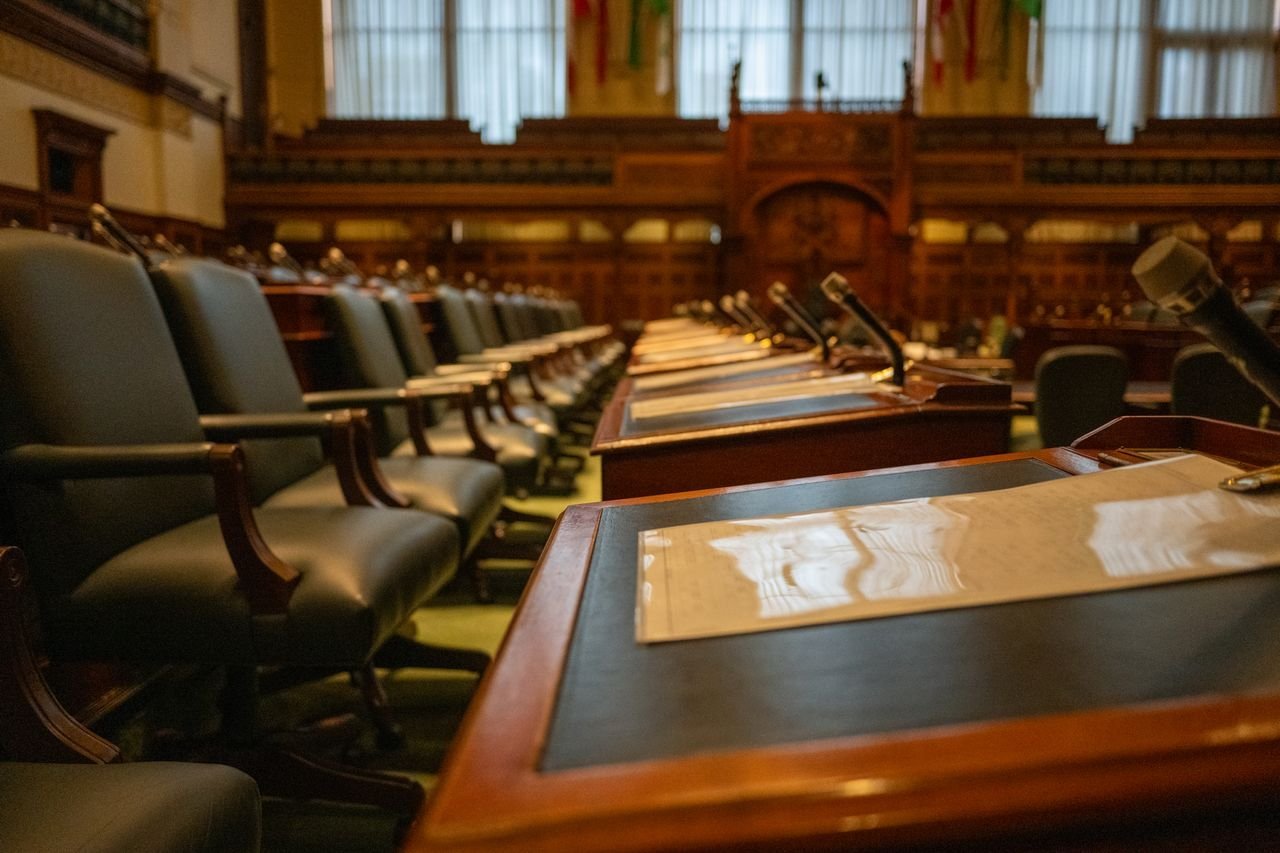
The Québec government has recently passed Bill 23, a controversial piece of legislation aimed at reforming the rules around involuntary hospitalizations in the province. This new law, which has sparked a mix of support and opposition, seeks to address the complexities surrounding the care of individuals who are deemed unable to consent to their treatment due to mental health issues.
The legislation comes in the wake of increasing debates over patient rights and public safety. Proponents argue that the reforms are necessary to protect both the individuals in crisis and the community, while critics raise concerns about the potential for abuses and the infringement of civil liberties.
Overview of Bill 23
Bill 23 sets out specific criteria under which a person can be involuntarily admitted to a hospital for psychiatric care. These include situations where the person poses a significant risk to themselves or others and is unable to participate in treatment decisions due to their mental state. The law emphasizes the need for medical assessment and a judicial review to ensure the fairness and legality of the hospitalization process.
Impact on Healthcare Providers
Healthcare providers are at the forefront of implementing the new rules. The law mandates that they undergo special training to handle involuntary admissions sensitively and ethically. It also requires hospitals to establish clearer protocols and documentation processes, ensuring that all involuntary admissions are carried out transparently and with respect for patients’ rights.
Responses to the Legislation
Many in the medical community have welcomed the new law, highlighting its potential to provide clearer guidelines and better support structures for treating severely mentally ill patients who are unable to consent. Psychiatrists and hospital administrators in particular note that the previous legislation was outdated and insufficient for modern healthcare needs.
Criticism from Human Rights Groups
However, human rights organizations and some mental health advocates have expressed strong reservations about Bill 23. They argue that the law could lead to overreach and misuse of power, potentially leading to involuntary treatments that could be challenged as human rights violations. These groups advocate for more robust safeguards and oversight mechanisms to protect the rights of patients.
Implications and Future Developments
The Québec government has committed to closely monitoring the impacts of Bill 23 through a series of checks and balances, including audits and annual reports. This is to ensure that the law achieves its intended outcomes without compromising the rights and dignity of individuals subjected to involuntary hospitalization.
What’s Next for Bill 23?
As the law moves into the implementation phase, all eyes will be on its real-world impacts. Amendments and refinements may be proposed as healthcare providers, legal experts, and civil rights groups continue to debate and discuss its efficacy and ethical implications. The government might also face legal challenges that could shape future iterations of the law.
Who Is Dr. Simone Lavoie?
Dr. Simone Lavoie is a prominent psychiatrist based in Montréal, Québec, who has been an outspoken proponent of Bill 23. With over 20 years of experience in the field, Dr. Lavoie holds a senior position at one of Montréal’s major psychiatric hospitals. She completed her medical degree at McGill University and has been involved in numerous initiatives aimed at improving mental health policies in Québec. Dr. Lavoie has also contributed to various national mental health awareness campaigns and is a respected figure in the medical community for her advocacy and commitment to patient care.
Who Is François Dubois?
François Dubois is a human rights lawyer from Québec City, known for his critical stance on Bill 23. Dubois has a law degree from Université Laval and over 15 years of experience working with various NGOs focused on civil liberties. He has been vocal about his concerns regarding the potential for abuse under the new law and has represented several high-profile cases related to mental health and human rights. Dubois continues to work closely with advocacy groups to ensure that the implementation of Bill 23 is closely scrutinized.
Who Is Marie-Claire Bouchard?
Marie-Claire Bouchard is the Minister of Health for Québec, playing a crucial role in the passage of Bill 23. A seasoned politician with a background in public health, Bouchard has been a Member of the National Assembly of Québec since 2010. Prior to her political career, she served as a public health administrator in Montréal, where she developed a deep understanding of the challenges in the healthcare system. Her leadership was instrumental in framing and advocating for Bill 23, which she believes will significantly improve the management of mental health crises across the province.