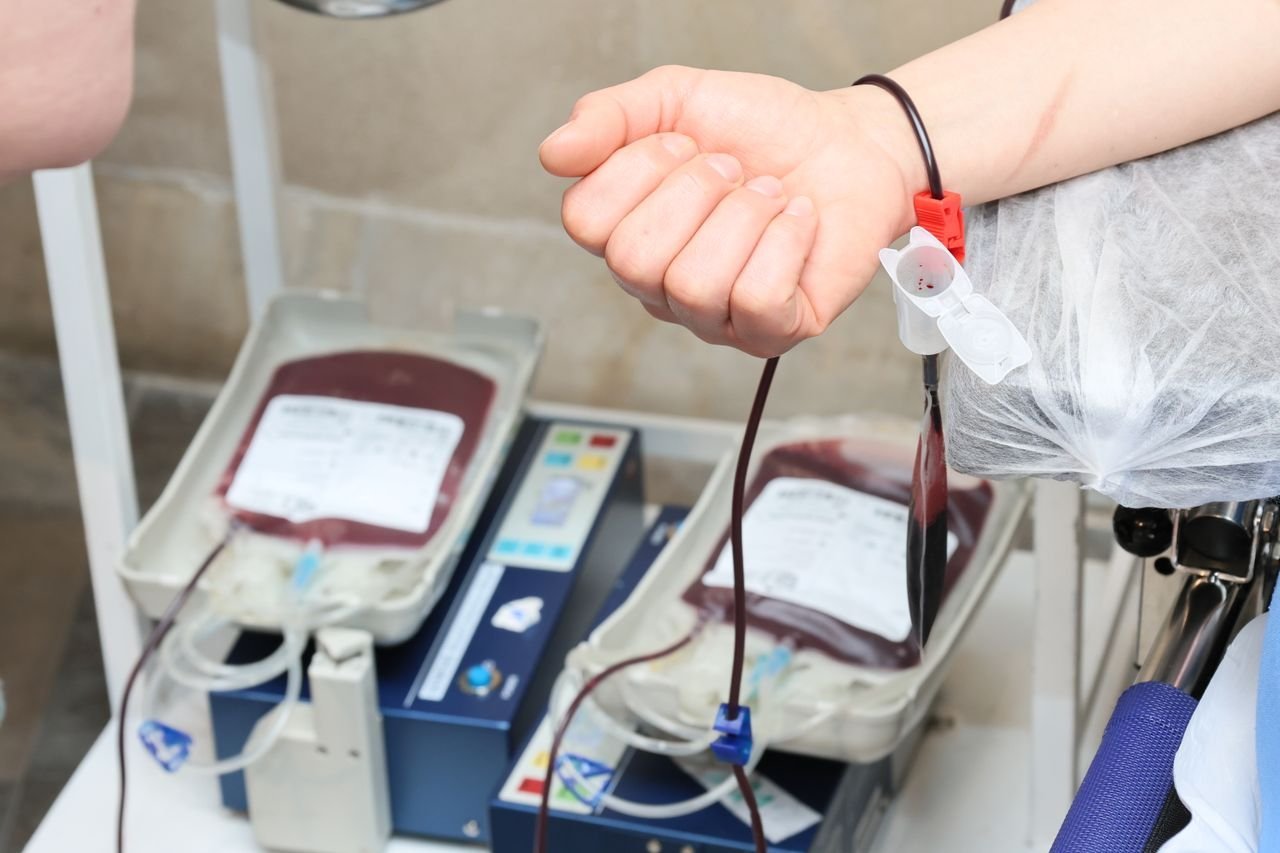
In a vibrant effort to bolster the reserves of blood and plasma during the crucial summer months, Héma-Québec has launched a comprehensive outreach campaign across Québec. The initiative, which kicked off this week, aims to encourage new and returning donors to step forward and contribute to the life-saving bank of blood and plasma supplies. The campaign is set to span several cities, including Montréal, Québec City, and Sherbrooke, with mobile collection units and fixed donation centres playing a pivotal role.
Summertime typically sees a dip in blood donations due to holiday schedules and reduced school and university sessions, which are usually fertile grounds for donation drives. Héma-Québec’s proactive approach this season seeks to mitigate the potential shortfall and maintain an adequate supply for the healthcare system. The organization has underscored the importance of donations during this period when regular donors might be less available.
According to Héma-Québec, the need for blood and plasma does not wane with the warmer weather. Accidents, surgeries, and treatments continue unabated, necessitating a robust stockpile of these vital resources. The campaign includes heightened social media engagement, local community events, and collaboration with corporate partners to host workplace donation drives.
The summer campaign is a crucial component of Héma-Québec’s annual strategy to ensure sustainability in blood and plasma availability. It not only addresses the immediate needs but also prepares the organization for any unforeseen demands. The focus is particularly on increasing plasma donations, which are essential for a variety of medical treatments and therapies.
Challenges of Maintaining Blood Supply in Summer
The summer months often lead to a noticeable decline in blood donations. The reasons are multifaceted, including irregular routines, vacations, and the temporary closure of educational institutions that host blood drives. This seasonal trend poses significant challenges to maintaining a stable blood supply, as regular donors are less likely to schedule donations during this period.
Increased Demand for Blood Products
Despite the decrease in donors, the demand for blood and plasma remains constant or even increases due to higher incidences of road accidents and other emergencies typical of summer activities. The consistent need puts additional pressure on blood banks to maintain an adequate supply to meet the healthcare system’s requirements.
Strategies for Enhancing Blood Donation
Héma-Québec’s campaign leverages community engagement as a tool to boost awareness and participation. By organizing local events and partnering with influential community leaders, the organization aims to reach a broader audience. Educational materials distributed during these events help demystify the donation process and highlight the impact of donations on community health.
Corporate Partnerships
Another strategic approach involves forming partnerships with local businesses to facilitate workplace donation drives. These partnerships are beneficial as they tap into the corporate social responsibility goals of businesses while providing a convenient donation option for many potential donors who might not otherwise make the effort to donate.
Impact of Plasma Donations
Plasma, the liquid component of blood, is crucial for a variety of medical treatments and therapies, including emergency medicine and chronic condition management. It is used in the production of life-saving clotting factors for patients with hemophilia, immune globulins for immune disorders, and albumin for burn and shock patients. The campaign highlights the critical role plasma donations play in saving lives and improving the quality of life for patients with these conditions.
Urgent Need for Regular Donors
The outreach emphasizes the need for regular plasma donors. Unlike whole blood, which has a shelf life of 42 days, plasma can be frozen and stored for up to a year, allowing it to be stockpiled. However, the frequent usage of plasma products means that a constant, stable supply is necessary to prevent shortages that could impact patient care.
In conclusion, Héma-Québec’s summer campaign is a vital initiative aimed at tackling the seasonal challenges of blood and plasma donation. By understanding and addressing the factors that lead to reduced donations, and through strategic community and corporate engagement, Héma-Québec strives to maintain the critical supplies needed for medical treatments across Québec. The campaign not only seeks immediate impact but also aims to build a culture of regular, year-round blood and plasma donation among Québec’s residents.