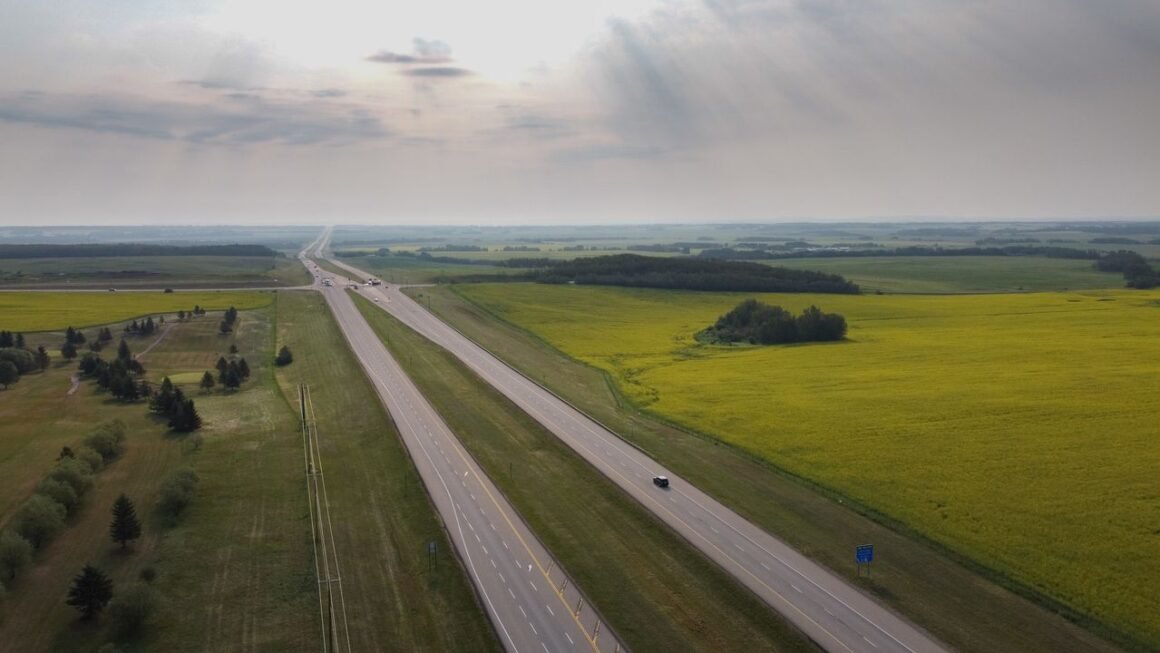
In a significant move to boost public transit accessibility and alleviate traffic congestion, the Quebec government has announced plans for a comprehensive overhaul of Highway 10, one of the main arteries connecting Montreal’s South Shore to the city. The project aims to enhance connectivity to the Réseau express métropolitain (REM), a new automated light rail network sprawling across the Greater Montreal Area.
The initiative, announced earlier this week, will see the introduction of reserved lanes for buses and carpool vehicles along a crucial segment of the highway stretching from Brossard to Carignan. This upgrade is part of a broader effort to modernize aging infrastructure and promote sustainable transportation solutions in line with the province’s environmental goals.
The overhaul of Highway 10 is not just a transportation upgrade but a strategic move to enhance the quality of life for residents on Montreal’s South Shore. With the REM expected to serve as a backbone for suburban transit, these enhancements will facilitate smoother, faster commutes into Montreal’s city centre and other key areas across the metropolitan region.
According to provincial officials, the project will involve the reconstruction of several bridges and overpasses that are nearing the end of their operational lifespan. The introduction of reserved lanes is projected to significantly reduce travel times during peak hours and promote the use of public transit as a viable alternative to solo driving.
The planning stages of the project have emphasized the importance of integrating sustainable and environmentally friendly practices. The use of green construction methods and materials is expected to play a central role in the redevelopment process, reflecting Quebec’s commitment to reducing its carbon footprint.
Public consultations have played a crucial role in shaping the project’s direction. Local residents and stakeholders were invited to voice their concerns and suggestions in a series of meetings that took place last month, ensuring that the community’s needs are reflected in the final design.
Financially, the Highway 10 overhaul is supported by a mix of provincial funding and federal grants dedicated to infrastructure development and sustainable transit solutions. This financial backing underscores the importance of the project in the broader context of Canadian urban development and environmental policy.
Construction is scheduled to begin in early 2027, with phases of the project prioritized to minimize disruption to daily traffic. The complete overhaul is expected to take approximately five years, with an estimated completion date around 2032.
Transportation experts point to the Highway 10 project as a model for other regions in Quebec and across Canada. By prioritizing public transit access and sustainable practices, such projects have the potential to transform urban transit dynamics significantly.
Local businesses along the Highway 10 corridor are also anticipated to benefit from increased accessibility and the influx of commuters utilizing the REM and the new bus lanes. Retail centres, office complexes, and other commercial entities in Brossard and Carignan are expected to see a positive impact from the enhanced traffic flow and accessibility.
Environmental groups have lauded the project for its focus on sustainability. The introduction of bus and carpool lanes is seen as a step forward in reducing vehicular emissions and promoting a shift towards more sustainable modes of transport.
The project’s impact on local wildlife and ecosystems has been carefully considered, with plans to implement mitigation strategies to protect natural habitats during construction. This includes creating wildlife corridors and using construction techniques that minimize environmental disruption.
Upon completion, the revamped Highway 10 is expected to serve as a vital link in Montreal’s transportation network, supporting the city’s economic growth and enhancing the overall mobility of its residents. As Montreal continues to expand and evolve, such infrastructure projects become essential in shaping its future as a sustainable, accessible city.
Project Details and Timeline
Construction Phases
The construction of Highway 10’s overhaul will be executed in several phases to ensure traffic flow is maintained as much as possible. Each phase has been carefully planned to tackle the most critical areas first, focusing on bridge and overpass safety improvements.
Expected Completion
The project, with its comprehensive scope covering multiple facets of transportation infrastructure, is expected to be fully operational by 2032. This timeline aligns with other major infrastructure projects under the Quebec government’s urban planning initiatives.
Environmental Impact and Sustainability
Green Construction Practices
The commitment to using environmentally friendly materials and construction techniques is a cornerstone of the Highway 10 project. These practices are intended to minimize the ecological footprint during the construction process and beyond.
Impact on Local Ecosystems
Special attention has been given to the protection of local wildlife and habitats. Strategies for environmental conservation and mitigation will be implemented throughout the construction period, ensuring that the natural environment is preserved as much as possible.
Economic Benefits and Local Business Growth
Boost to Local Economy
The enhancement of transportation infrastructure is expected to stimulate local economies, particularly in Brossard and Carignan, where improved transit accessibility will attract more businesses and customers.
Commercial Opportunities
With better access and reduced travel times, commercial areas along the Highway 10 corridor are likely to experience growth, providing new opportunities for local entrepreneurs and established businesses alike.
Key People & Organizations
The project has involved input from a variety of key stakeholders including local government officials, transportation experts, and community leaders, ensuring a comprehensive and well-supported development plan.