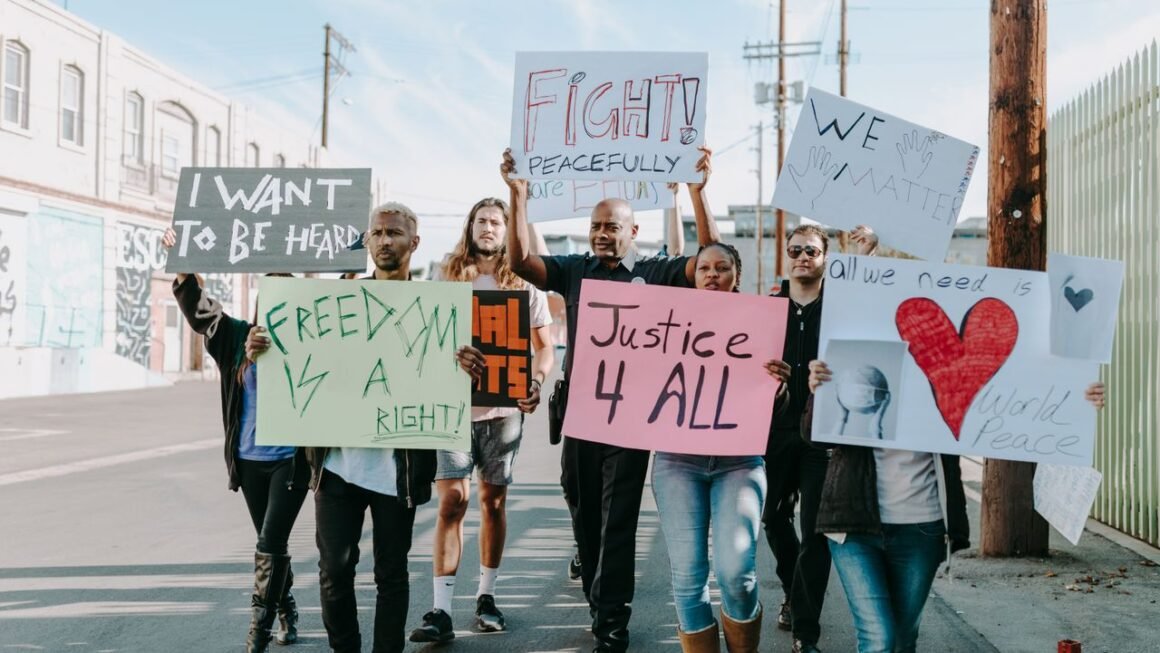
Advocacy groups in Quebec City are intensifying their calls for Mayor Bruno Marchand to formally recognize and tackle the issue of racial profiling within the local police force. This demand follows the emergence of serious allegations concerning coordinated racist behaviour by the Montreal police service, highlighting a provincial issue that requires immediate attention.
The situation has sparked a broader conversation about systemic racism and the trust deficit it creates between law enforcement and the communities they are meant to serve. In Quebec City, the urgency to address these matters has been catalyzed by the recent controversies surrounding the Montreal police, pushing local leaders to advocate for significant reforms.
In Quebec City, the issue of racial profiling is not new, but recent developments have brought it back into the spotlight. Community groups and activists are voicing their concerns, emphasizing the need for a transparent investigation into the practices of the Quebec City police. The allegations in Montreal have served as a stark reminder of the persistent racial biases that can infiltrate law enforcement agencies, potentially leading to discriminatory practices against minority communities.
The advocacy groups argue that acknowledging the problem is the first step towards meaningful change. They are pushing for Mayor Marchand to initiate an independent review of the police force’s policies and interactions with the public, particularly with racialized communities. This move, they believe, is essential for rebuilding trust and ensuring fair treatment for all citizens.
Mayor Bruno Marchand has responded to the calls for action with a commitment to look into the allegations. However, community leaders are seeking more than just preliminary investigations; they demand concrete actions and reforms that will lead to systemic change within the police force. The mayor’s office has announced plans to consult with community representatives and experts in law enforcement to develop a comprehensive strategy to address these issues.
Meanwhile, the Quebec City police have stated their dedication to serving all community members equitably, but they recognize the necessity of ongoing education and training in cultural sensitivity and anti-racism. The police chief has announced a series of workshops and seminars for officers, aiming to enhance their understanding of racial dynamics and improve their interactions with the public.
Despite these promises, skepticism remains among the affected communities. Many recall previous commitments that resulted in little to no substantial change, and they worry that without external oversight, any new initiatives might fail to correct deep-seated prejudices. Advocates are therefore calling for the establishment of an independent body that would oversee the implementation of reforms and monitor the police force’s adherence to new policies.
Legal experts have weighed in on the situation, suggesting that the issues at hand could be symptomatic of broader systemic problems that extend beyond individual departments or officers. They advocate for a province-wide review of law enforcement practices, with a particular focus on eliminating racial profiling and improving accountability mechanisms.
Public forums and town hall meetings have been organized by various advocacy groups to discuss the issue and gather community feedback. These events have been well-attended, indicating a high level of public interest and concern. Participants have shared personal experiences of discrimination and have proposed potential solutions to enhance police-community relations.
As this issue unfolds, the eyes of the province and indeed the whole country are on Quebec City, watching to see how it will address these challenging and sensitive issues. The outcomes of this situation could potentially set a precedent for other Canadian cities dealing with similar problems, making it a critical moment for law enforcement and governance in Quebec.
Understanding Racial Profiling
Defining the Issue
Racial profiling refers to the discriminatory practice by law enforcement officials of targeting individuals for suspicion of crime based on the individual’s race, ethnicity, religion, or national origin. This practice can erode trust between communities and police, leading to a less effective law enforcement system.
Impact on Community Relations
The practice of racial profiling has significant implications for community relations. It not only undermines the credibility of the police but also instills fear and resentment among those who are targeted. Effective policing requires the trust and cooperation of the community, which cannot be achieved if a segment of the population feels unfairly targeted.
Legal and Ethical Implications
Legal Frameworks Governing Police Conduct
In Canada, various legal frameworks govern the conduct of the police, designed to protect the rights of all citizens. However, enforcement and adherence to these frameworks are critical to prevent abuses such as racial profiling.
Ethical Considerations in Law Enforcement
Law enforcement officers are expected to uphold the highest ethical standards to maintain public trust. Ethical policing involves treating every individual with respect and dignity, regardless of their background, and is essential for maintaining social harmony and justice.
Steps Towards Reform
Initiatives for Change
Several initiatives have been proposed to reform policing practices in Quebec City. These include increased training in cultural sensitivity, the establishment of an independent oversight body, and more robust community engagement to ensure that police services meet the needs of diverse populations.
Community Involvement in Policing
Enhancing community involvement in policing is seen as a key strategy for reform. By involving community members in policy-making and oversight, police departments can ensure their practices reflect the values and needs of the people they serve.
Key People & Organizations
Mayor Bruno Marchand is at the centre of the current debate, facing pressure from advocacy groups and community leaders to initiate reforms. The Quebec City police, under scrutiny, has expressed their commitment to change, supported by various legal experts and public participants who are actively contributing to the discussions on this critical issue.