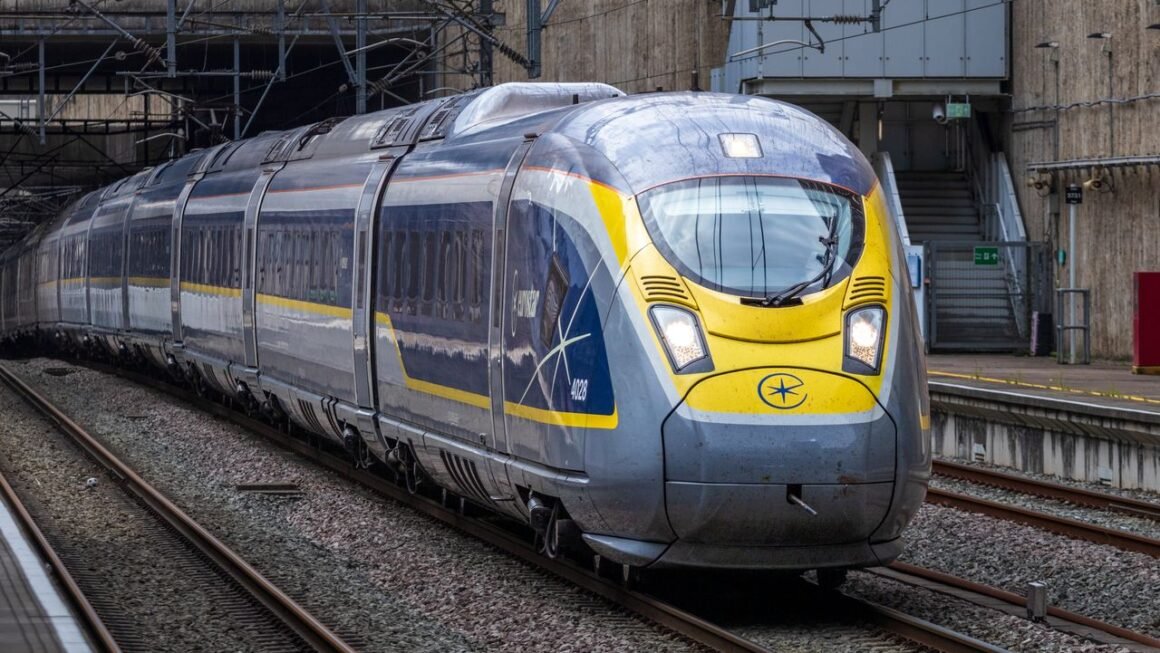
In a groundbreaking move for Canadian transportation, the proposed Toronto–Quebec City high-speed train, dubbed Project ALTO, is poised to transform intercity travel in Eastern Canada. If realized, this initiative will make Canada the last G7 country to adopt a high-speed rail system, promising a travel time between Toronto and Montreal of just three hours.
The project plans to establish a 640-kilometre state-of-the-art rail line, connecting major urban centres like Kingston, Ottawa, Montreal, and Quebec City. With speeds reaching up to 300 kilometres per hour, the service aims to reduce the travel time between Montreal and Quebec City to under two hours, a significant enhancement compared to current rail services that take over five hours between Toronto and Montreal.
The idea of a high-speed rail in Eastern Canada has been circulating for years, but recent developments suggest that Project ALTO is shifting from concept to impending reality. With substantial federal support now in place, alongside heightened public interest, the vision of faster, more efficient rail travel could soon come to fruition.
Project ALTO is expected to have a transformative impact on several fronts. Economically, it has the potential to create thousands of jobs, boost local economies, and stimulate growth in smaller communities along its route. Environmentally, it offers a greener alternative to car and airplane travel, which currently dominate the intercity transport landscape between these major cities.
The high-speed train is designed not only for speed but also for comfort and efficiency, incorporating advanced rail technology and infrastructure that promise a new era of travel in Canada. The project involves extensive planning and coordination across multiple jurisdictions, including provincial and federal governments, to ensure seamless integration into Canada’s existing transportation network.
Despite the excitement, the project faces its share of challenges. These include complex logistical hurdles, substantial financial investments, and the need for coordination between various levels of government and private stakeholders. The route’s design and construction must also consider environmental sensitivities and community impacts, requiring comprehensive studies and public consultations.
As planning progresses, public consultations have become a focal point for the project’s proponents. These forums aim to address concerns, gather input from local communities, and refine plans to best fit the needs and expectations of the affected populations. The feedback gathered is crucial in shaping the project’s final configuration and operational protocols.
Another major aspect of Project ALTO is its potential to revolutionize how Canadians think about travel. By significantly reducing travel times, the high-speed rail could alter travel habits, potentially decreasing the reliance on cars and planes for intercity transportation. This shift could have long-lasting effects on Canada’s carbon footprint and overall environmental health.
Moreover, the project’s success could set a precedent for future transportation projects across Canada and even North America. A successful high-speed rail system in Eastern Canada could serve as a model, demonstrating the viability and benefits of such infrastructure in other regions of the country and beyond.
Despite the optimism surrounding Project ALTO, there are critical voices raising concerns about feasibility, cost overruns, and the actual demand for high-speed rail travel. Critics argue that the substantial costs associated with high-speed rail may not justify the potential benefits, especially if the projected ridership does not meet expectations.
However, proponents counter these arguments by highlighting the broader benefits of the project, including regional connectivity, economic stimulation, and environmental sustainability. They assert that the long-term advantages of having a modern, efficient high-speed rail system could outweigh the initial expenditures.
With the federal government’s endorsement and a clear public interest, Project ALTO is gaining traction. The next few years will be critical as detailed plans are drawn up, funding mechanisms are established, and the groundwork for construction begins.
The journey towards a high-speed rail in Eastern Canada is just starting, but the destination promises a new chapter in Canadian travel, marked by speed, efficiency, and innovation.
Project ALTO’s Economic Impact
Job Creation and Economic Growth
The construction and operation of Project ALTO are expected to create thousands of jobs, from direct construction roles to ancillary services. This job creation is anticipated to spur economic growth in the regions through which the high-speed train passes, benefiting local businesses and communities.
Environmental Benefits of High-Speed Rail
Sustainability and Reduced Carbon Emissions
High-speed rail systems are renowned for their efficiency and lower environmental impact compared to other forms of transport. Project ALTO aims to reduce the carbon footprint of intercity travel, aligning with Canada’s environmental goals and providing a sustainable alternative to air and car travel.
Technological Innovations in Project ALTO
Advanced Rail Technology
The implementation of cutting-edge rail technology is a cornerstone of Project ALTO, ensuring that the high-speed train is not only fast but also safe and reliable for passengers. This includes modern signalling systems, durable track materials, and energy-efficient train designs.
Key People & Organizations
The federal government has been a significant proponent of Project ALTO, providing necessary approvals and funding. Local governments along the route, including those in Toronto, Kingston, Ottawa, Montreal, and Quebec City, are also pivotal in the planning and implementation phases, ensuring that the project meets regional needs and specifications.