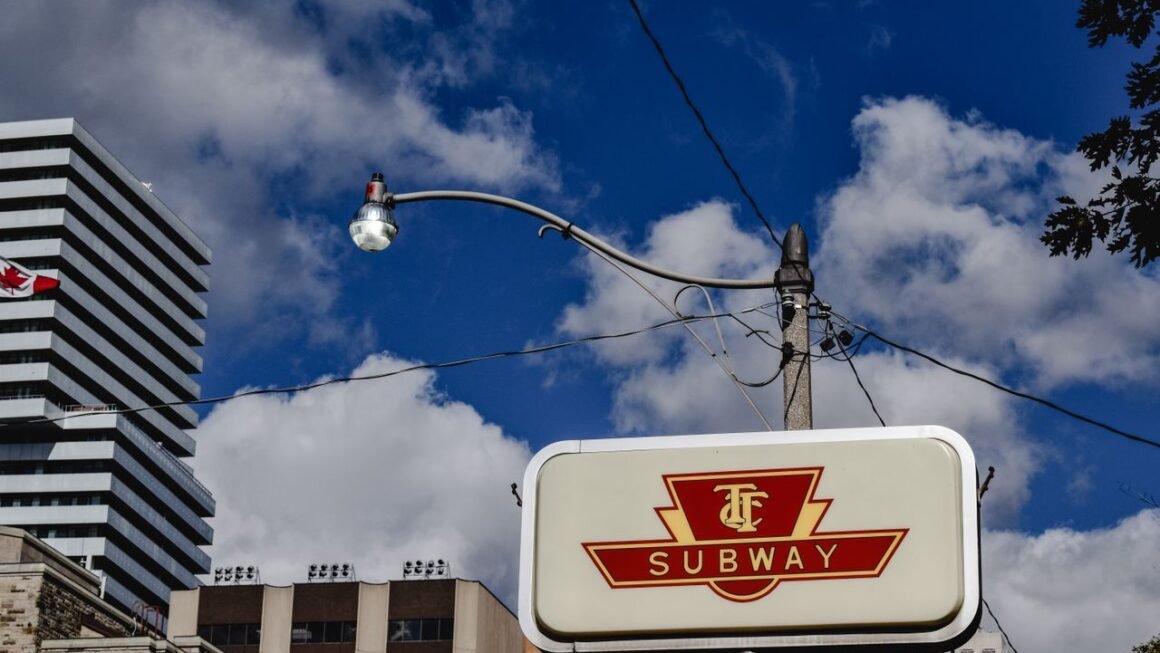
Toronto Transit Commission (TTC) has unveiled a comprehensive plan aimed at enhancing the city’s public transportation system by 2026. This ambitious initiative seeks to significantly improve service efficiency, expand accessibility, and foster a more sustainable urban transit environment.
The announcement was made early Tuesday at TTC headquarters, with numerous city officials and transit authority representatives in attendance. This plan is a response to the growing demand for more reliable and efficient public transportation options in Canada’s largest city.
According to TTC Chair Jaye Robinson, “The 2026 Service Improvement Plan is designed to address the critical needs of our transit system and ensure that we are providing the best possible service to Torontonians. Our goal is to make public transit the first choice for commuters, thereby reducing reliance on private vehicles and contributing to a greener city.”
The improvements include a series of enhancements across various facets of the TTC operations. One of the highlights is the increase in frequency of buses and trains during peak hours and the extension of operational hours on select routes. This change aims to accommodate the surge in ridership expected over the next few years.
Another significant aspect of the plan is the investment in new, state-of-the-art train cars and buses, designed to provide greater comfort and increased capacity. These new vehicles are also expected to be more energy-efficient and environmentally friendly, aligning with the city’s sustainability goals.
Accessibility remains a priority for the TTC. The 2026 plan includes upgrading existing facilities to ensure they are fully accessible. This will involve retrofitting stations with new elevators, escalators, and improved signage to aid passengers with mobility challenges.
Technology upgrades are also a cornerstone of the new plan. The TTC intends to implement an advanced signaling system that will enhance the safety and speed of train operations. Additionally, a new app will be launched to provide real-time transit updates and mobile ticketing options, making it easier for riders to plan their journeys and pay fares.
The funding for these initiatives has been secured through a mix of municipal, provincial, and federal contributions. The total investment is projected to be around CAD $3.2 billion, which underscores the significant commitment from all levels of government to improve Toronto’s transit infrastructure.
Mayor John Tory expressed strong support for the TTC’s 2026 plan, stating, “This investment in our transit system is an investment in the future of Toronto. By enhancing the TTC, we are not only improving the daily commutes of millions of residents but are also taking a critical step towards our broader environmental and economic goals.”
The announcement has been met with enthusiasm from public transit advocates and city residents alike. Many see it as a necessary step forward to cope with the increasing population density and the corresponding transit needs of Toronto.
Community feedback has also been integral to shaping the final plan. Over the past year, the TTC conducted multiple public consultations to gather input from transit users and stakeholders. This collaborative approach ensured that the proposed improvements align closely with the needs and expectations of the community.
Looking ahead, the TTC plans to begin the first phase of the project in early 2024, with some preliminary work already underway. The entire project is scheduled for completion in late 2026, at which point all new services and enhancements are expected to be fully operational.
The TTC’s 2026 Service Improvement Plan is seen as a visionary step in transforming Toronto’s public transportation network into a more efficient, accessible, and sustainable system. As the city continues to grow, these improvements will be crucial in maintaining the quality of life for its residents and ensuring the smooth functioning of its urban infrastructure.
Key Features of the TTC 2026 Service Improvement Plan
Increased Service Frequency and Extended Hours
One of the most impactful changes under the new plan is the increased frequency of buses and trains, particularly during peak travel times. Extended service hours on weekends and evenings will also be introduced, providing greater flexibility for Toronto’s diverse workforce and vibrant nightlife.
Introduction of New Vehicles
The TTC will be rolling out new train cars and buses equipped with the latest technology for energy efficiency and passenger comfort. These modern vehicles are designed to handle higher passenger volumes and reduce the environmental impact of the city’s transit system.
Enhancements in Accessibility and Technology
Improving accessibility for all users is a priority. Upgrades to stations, including new elevators and escalators, will make the transit system more accessible. Technology enhancements will also include a new app for real-time updates and mobile ticketing, simplifying the transit experience for all users.
Jaye Robinson, the current Chair of the Toronto Transit Commission, has been an advocate for sustainable urban transit solutions during her tenure. Her leadership is instrumental in steering the TTC towards these significant service enhancements.
Mayor John Tory, serving as the 65th Mayor of Toronto, has consistently supported extensive investments in the city’s infrastructure. His administration is known for prioritizing projects that bolster economic growth and environmental sustainability in Toronto.