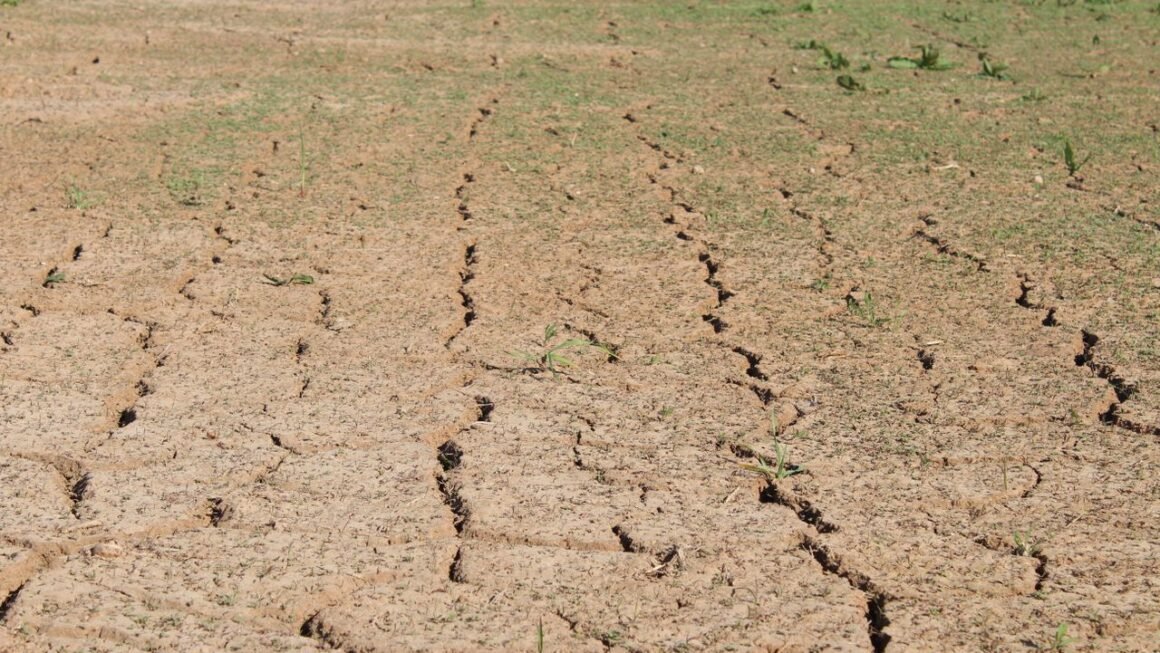
As Alberta faces one of the most severe droughts in recent decades, its vast agriculture sector is under unprecedented strain. With dwindling water supplies and soaring temperatures, farmers across the province are battling to sustain their crops and livestock, casting uncertainty on the economic landscape of the region and potentially setting the stage for a national food supply issue.
The drought, which meteorologists categorize as among the worst since the early 2000s, has particularly affected the southern regions of Alberta. These areas are critical for Canada’s agriculture, known for producing a significant portion of the country’s wheat, canola, and beef.
The lack of rain and unusually high temperatures began as early as spring, and the situation has deteriorated rapidly, leaving soil parched and water reserves at alarming lows. “We’re seeing creeks and ponds that have been reliable sources of water for generations drying up,” noted Frank Thompson, a third-generation farmer near Lethbridge.
Thompson, like many others, has had to make significant adjustments to his farming practices. “We’ve had to cut down on planting some of the more water-intensive crops and focus on those that can tolerate drier conditions,” he explained.
The impact of the drought extends beyond the fields. Water scarcity affects not only the irrigation of crops but also the watering of cattle and other livestock, which are integral to the province’s agricultural output. The lack of adequate pasture has forced ranchers like Sarah Kim, who operates outside of Medicine Hat, to purchase supplemental feed, driving up operating costs considerably.
“The cost of hay has nearly doubled since last year,” Kim said. “And with the forecast showing no significant rainfall, we’re bracing for a tough season ahead.”
The economic ramifications are already being felt, with price increases for beef and grains hinting at the broader impact of the drought on the Canadian food supply chain. Experts warn that if conditions do not improve, the consequences could ripple through to consumers, leading to higher prices at grocery stores across the country.
Recognizing the severity of the situation, provincial authorities have begun to implement measures to mitigate the impact. These include water rationing and support schemes for the hardest-hit farmers and ranchers. “We are working closely with agricultural leaders to monitor the situation and adjust our strategies as needed,” said Alberta Agriculture Minister James Carter.
Carter also highlighted the importance of long-term planning and investment in sustainable agricultural practices. “This drought has been a wake-up call for us on the need for more resilient farming techniques and better water management strategies,” he admitted.
Environmental experts agree, pointing to climate change as a significant factor in the increasing frequency and severity of drought conditions. “What we’re experiencing may well become the new normal,” cautioned Dr. Emily Zhang, a climatologist at the University of Calgary. “It’s imperative that we adapt our agricultural practices to be more sustainable and less dependent on large quantities of water.”
Researchers at several Alberta institutions are exploring drought-resistant crops and innovative farming technologies that could help alleviate some of the pressures. However, these solutions are in the early stages of development and will require time and investment to be widely implemented.
Meanwhile, communities across Alberta are rallying to support local farmers and ranchers. From water conservation initiatives to fundraising events, there is a collective effort to weather the drought together. “It’s heartening to see the community come together in times of crisis,” said Thompson. “It gives us hope, despite the challenging times.”
As the province looks ahead, the coming months will be critical. The agriculture sector’s ability to adapt and the weather patterns in the near future will largely determine the extent of the drought’s impact on Alberta and potentially on all of Canada.
Impact on Crop Production
Strains on Wheat and Canola
In the breadbasket regions of Alberta, where vast fields of wheat and canola stretch far into the horizon, the impact of the drought is visibly distressing. “We’ve seen a reduction in the yields of both wheat and canola,” reported agricultural analyst Helen Cho. “If we don’t see a significant change in weather conditions, we might face a shortfall in production that could affect not only domestic markets but export revenues as well.”
Adaptation Strategies
Many farmers are turning to less water-dependent crops as a temporary solution to mitigate the impact of the drought. “Crop rotation and selecting drought-tolerant varieties are becoming more common practices among farmers here,” said Cho.
Economic Effects
Rising Operational Costs
The cost of water and feed has skyrocketed, placing additional financial burdens on farmers and ranchers. “We’re spending much more than usual just to keep things running,” said Sarah Kim. “It’s a tough time for everyone in the agriculture sector.”
Price Fluctuations in Consumer Markets
As production costs rise, so too do the prices of basic food items. Economists predict that this trend will continue if the drought persists, affecting affordability and potentially leading to increased food insecurity.
Community and Government Response
Local Support Initiatives
Community groups and local governments have set up various programs to support farmers and ranchers facing water shortages. “These initiatives are essential for providing immediate relief,” noted Minister James Carter.
Future Preparedness
With an eye on the future, provincial leaders are discussing more robust strategies for drought management and water conservation to better prepare for similar challenges ahead.