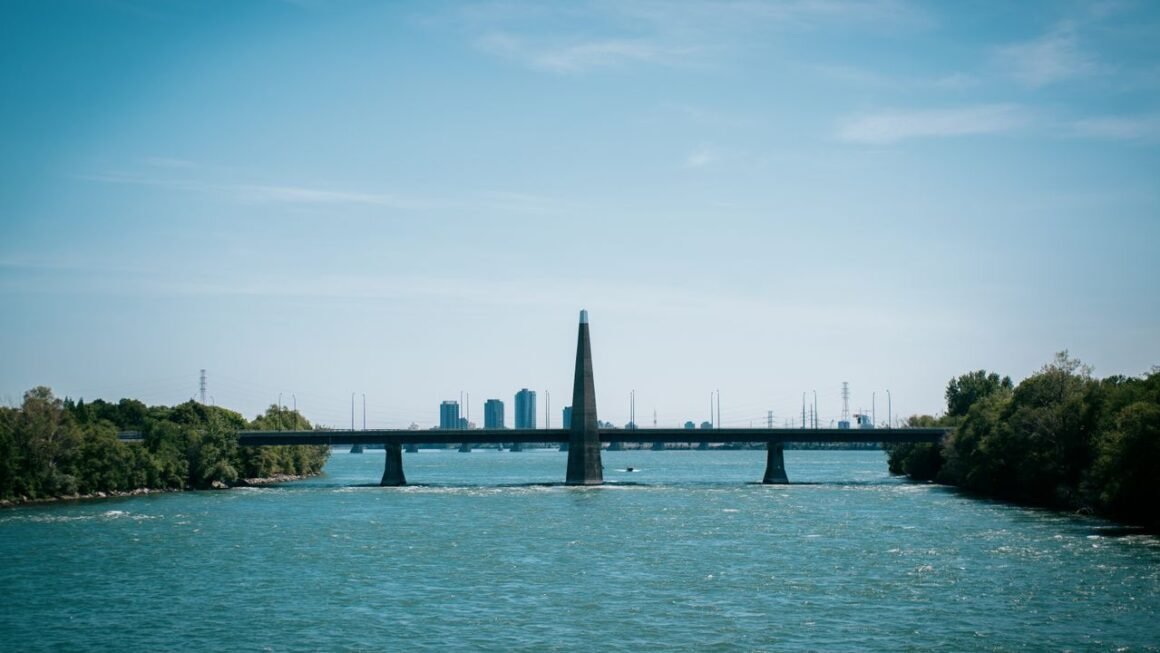
VIA Rail Canada and Exo have entered the co-development phase of the Dorval Multimodal Hub, a project that will merge intercity rail, regional rail and Montreal’s airport shuttle into a single station. Construction is targeted to begin in 2027, according to VIA Rail’s project announcement. If you travel through Montreal’s West Island for business, a connecting flight, or a daily commute, this project will change how you move between train and plane.
VIA Rail and Exo advance co-development phase of Dorval Multimodal Hub, construction targeted for 2027
The current Dorval train station sits close to Montreal-Trudeau International Airport (YUL) but functions as three disconnected pieces of infrastructure: a VIA Rail platform, an Exo commuter rail stop, and a separate shuttle bus link to the terminal. VIA Rail and Exo confirmed they are now working jointly on station design, with the project listed under file number 202502002 as part of the Montreal Mobility Modernization Program. Construction is planned to start in 2027, which would make Dorval a rebuilt link point between rail and air travel on Montreal’s west side.
The project brings together two separate rail operators under one roof for the first time in the region. VIA Rail runs intercity service connecting Montreal to Ottawa, Toronto, and points beyond. Exo operates the regional commuter network that serves West Island communities and links to downtown Montreal. Right now, those two systems plus the Trudeau airport shuttle require separate stops and separate signage, with some transfers involving a walk outside. The plan folds all three into a single facility.
Key takeaways
- Construction on the Dorval Multimodal Hub is scheduled to begin in 2027, with station design and co-development work running through 2026.
- The hub will consolidate VIA Rail intercity trains, Exo regional rail, and the Montreal airport shuttle into one connected building, cutting out the current walk between separate platforms and bus stops.
- If you’re booking travel that depends on this connection before 2027, plan for the existing transfer setup: check shuttle schedules in advance since service isn’t guaranteed to run on demand.
- Once complete, the hub is expected to shorten transfer times and add accessibility features such as covered walkways and step-free routes between platforms and the terminal.
- Track project updates through VIA Rail’s official announcements and the Montreal Mobility Modernization Program, since the 2027 start date depends on completed design and approval phases.
What the Dorval Multimodal Hub will combine
VIA Rail intercity service, Exo regional rail and the Trudeau airport shuttle under one roof
Right now, if you arrive at Trudeau airport and want to catch a VIA Rail train to Ottawa or Toronto, you take a shuttle bus to the Dorval station, then walk to a platform separate from the Exo commuter line. Each leg has its own schedule, its own waiting area, and its own signage system. According to VIA Rail’s project description, the new hub removes that fragmentation by placing all three services (VIA Rail, Exo, and the airport shuttle) in a single integrated station.
The idea is simple: cut down on the number of times a traveler has to leave one system and enter another. A business traveler flying into YUL and connecting to a VIA Rail train currently deals with two mode changes and two separate waiting environments. Under the unified design, that traveler moves through one building, with coordinated shuttle timing and shared passenger information displays covering both rail operators.
Dorval transit hub construction timeline
Station design and co-development phase, 2024-2026
VIA Rail and Exo describe the current stage as “co-development,” meaning both operators are jointly shaping station layout, platform access, and shared-use spaces before construction bids go out. This phase covers detailed engineering, environmental review, and coordination with the Montreal Mobility Modernization Program’s broader planning framework. Design work like this typically determines platform counts, ticketing zones, and how the shuttle drop-off connects with pedestrian flow, decisions that shape the passenger experience long after construction finishes.
“This new station will host passenger rail services of VIA Rail and exo, as well as the shuttle service to Montréal-Trudeau Airport,” according to VIA Rail Canada’s official project statement announcing the co-development phase.
Construction start in 2027 and projected completion window
Reporting on VIA Rail’s announcement points to a 2027 construction start. VIA Rail’s own materials describe the goal as making travel “more efficient and better connected” across the west side of Montreal. No firm completion date has been published yet, since the length of construction depends on the final design scope confirmed during the co-development phase. If you’re planning travel for 2027 or 2028, expect possible disruption to the existing Dorval station and shuttle routes while work is underway.
Why Montreal needs a unified station at Dorval
Current gaps between the Dorval Exo station, VIA Rail platform and the airport shuttle stop
The three services at Dorval today run on separate schedules and sit in physically separate infrastructure. The Exo station serves regional commuters heading to and from downtown Montreal. The VIA Rail platform, used for intercity trips, sits nearby but requires its own access point. The airport shuttle, which links the station to the Trudeau terminal, runs as a bus connection rather than a walkable link. For a traveler unfamiliar with the layout, that means checking three separate sources of information just to complete one trip.
This gap matters especially for international travelers using rail as an onward connection from YUL. A missed shuttle or an unclear transfer point costs time that business travelers, in particular, don’t have. According to VIA Rail, the hub is designed to close this gap by placing the airport connection, the regional network, and the intercity line inside a shared structure rather than treating them as three separate errands.
How the hub fits into the Montreal Mobility Modernization Program
The Dorval project is filed under the Montreal Mobility Modernization Program, an umbrella initiative covering transit upgrades across the metro region, according to the project listing referenced under file 202502002. That puts Dorval alongside other regional efforts to improve how commuter rail, intercity rail, and airport access work together, rather than treating each mode as an isolated system.
The comparison below shows what changes for a traveler moving between the airport and rail service, based on the current setup versus the plan described by VIA Rail and Exo.
| Feature | Current Dorval setup | Planned Multimodal Hub |
|---|---|---|
| VIA Rail and Exo access | Separate platforms, separate entrances | Combined station, shared access points |
| Airport connection | Shuttle bus, separate schedule | Integrated shuttle service tied to station design |
| Passenger information | Separate signage per operator | Coordinated wayfinding across services |
| Accessibility | Limited step-free connections between modes | Upgraded accessibility features planned in design phase |
| Construction status | Existing infrastructure, unchanged since prior decades | Design/co-development 2024-2026, construction from 2027 |
Based on how VIA Rail frames the project, the program’s broader goal is to treat Trudeau airport as a genuine multimodal connection point rather than an isolated air terminal with a bus link tacked on. That distinction matters for a city trying to reduce car dependency for airport trips, particularly for travelers arriving from Ottawa or Toronto who might otherwise rent a car or book a taxi for the final leg.
What travelers can expect from the new Montreal airport shuttle transit hub
Walking distances, transfer times and accessibility upgrades
You should expect shorter physical distances between the train platform and the shuttle pickup point once the hub opens, based on the stated goals of the co-development phase. VIA Rail’s project language emphasizes making the connection “more efficient,” which in practical station design usually means covered walkways, consolidated waiting areas, and reduced outdoor walking between transfer points.
Accessibility upgrades are also part of the stated design goals, though specific technical details (elevator counts, platform heights, step-free routes) have not yet been published pending final design approval. For travelers with mobility needs, luggage, or tight connection windows, a single-building layout removes the need to navigate outdoor crossings or separate curb pickups that exist under the current arrangement.
If you’re booking a trip today that depends on the Dorval connection, nothing changes until construction begins in 2027. Continue using the existing shuttle and platform system, and check VIA Rail and Exo schedules directly rather than assuming through-ticketing or synchronized timing, since the current setup was not built as a unified system.
Frequently asked questions
Is Dorval the same as Trudeau airport?
No. Dorval is a separate municipality and the name of the train station located near Montreal-Trudeau International Airport (YUL). The airport itself is officially named Montréal-Trudeau, though it’s still commonly called “Dorval airport” by longtime Montrealers, a holdover from before the airport was renamed in 2004. The train station and the airport terminal are connected by a shuttle bus, not a direct walkway, which is the gap the new hub project is designed to close.
Is there a free shuttle service from Dorval train station to Montréal-Trudeau airport?
Yes, a shuttle currently connects the Dorval train station to the Trudeau airport terminal, and VIA Rail passengers can use this service as part of their rail journey. Check current shuttle schedules directly with VIA Rail or Exo before traveling, since timing is coordinated around train arrivals and departures rather than running continuously.
Can you get to Montreal airport by train?
Yes, but indirectly under the current system. VIA Rail and Exo trains stop at Dorval station, and a shuttle bus completes the connection to the Trudeau terminal. There is no direct rail line running into the airport itself yet. The Dorval Multimodal Hub project aims to tighten this connection so the transfer between train and terminal feels more like a single trip and less like two separate ones.
How do I get from YUL airport to the train station?
From Montreal-Trudeau airport, you take the airport shuttle bus to Dorval station, where you can board VIA Rail intercity trains or Exo regional trains. Confirm shuttle timing in advance, since it’s tied to scheduled train departures rather than running on a fixed continuous loop. Once the new hub opens, this step is expected to become a shorter, better-signed connection housed within the same building rather than a separate bus ride.