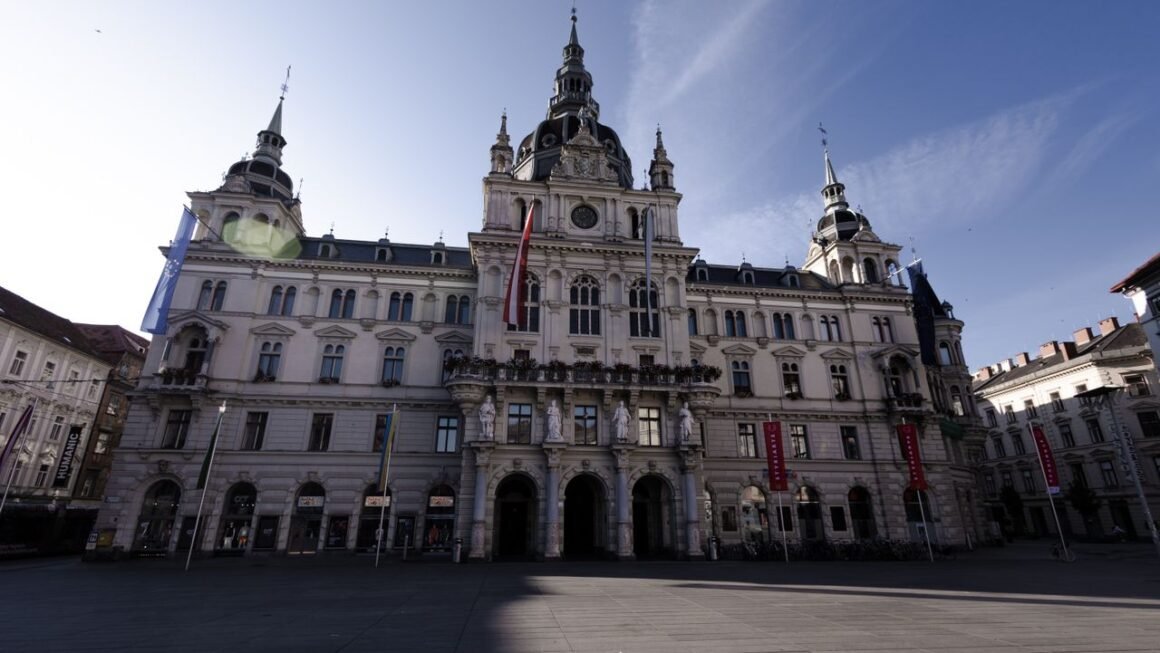
Montreal City Hall opens Hall of Honour for public viewing of jazz pianist Oliver Jones
Montreal City Hall opened its Hall of Honour to the public on Wednesday, August 16, 2023, so residents could pay their respects to Oliver Jones, the Montreal-born jazz pianist who died on August 9 at age 88. Visitors could walk through the Hôtel de Ville between 1:30 p.m. and 7:30 p.m. to view his casket, a gesture the city reserves for figures who shaped its cultural life. Jones, a fixture of the Montreal Jazz Festival for nearly two decades, is one of the few musicians in the city’s history to receive this honour.
The viewing preceded a funeral service at Union United Church, a congregation with deep roots in Montreal’s Black community, and capped a week of tributes from City Hall, the Montreal Jazz Festival and musicians across the country.
Key takeaways
- The public viewing ran from 1:30 p.m. to 7:30 p.m. on Wednesday, August 16, 2023, in the Hall of Honour at Montreal City Hall (155 Notre-Dame Street East). Admission was free and no ticket was required.
- If you plan to visit similar tributes in the future, arrive early. City Hall viewings for public figures typically draw large crowds in the first two hours, based on turnout patterns reported by CityNews Montreal.
- The funeral service took place at Union United Church, located in Little Burgundy, the neighbourhood where Jones grew up and began playing piano.
- Jones held both the Order of Canada and the Ordre national du Québec, placing him among a small group of Quebec-born jazz musicians honoured at the national and provincial level at once.
- His recorded catalogue, spanning decades with labels tied to the Montreal Jazz Festival, remains the most direct way to hear the stride-piano and gospel-inflected style that defined his career.
Who was Oliver Jones: Montreal-born jazz pianist’s life and career
Oliver Theophilus Jones was born September 11, 1934, in Montreal’s Little Burgundy neighbourhood, a working-class district that produced some of Canada’s most influential jazz musicians. He started playing piano at age five, trained under Daisy Peterson (sister of Oscar Peterson), and built a career that stretched across more than seven decades before his death this past August at age 88.
From Little Burgundy to the Montreal Jazz Festival stage
Little Burgundy shaped Jones the way it shaped Oscar Peterson before him: through church choirs, community halls, and a tight-knit network of Black musicians who taught each other by ear. Jones performed at the Montreal International Jazz Festival every year from 1981 to 1999, according to reporting on his death, a run that made him one of the festival’s most recognizable resident artists during its formative decades. He worked for years as a music teacher and administrator before committing to performing full time, a career path less common among headline jazz pianists but one that gave him decades of teaching experience he later folded into mentorship of younger musicians.
Honours and recognition: Order of Canada and Ordre national du Québec
Jones received both the Order of Canada and the Ordre national du Québec, an unusual double recognition for a jazz musician from either institution. Public-facing materials identify him as “Dr. Oliver Jones, OC CQ,” the honorific reflecting an honorary doctorate alongside these two orders. Few Quebec-born musicians hold both distinctions, and the pairing reflects his standing as a bridge between Montreal’s anglophone Black community and the province’s francophone cultural institutions.
Details of the public viewing at Montreal City Hall
Date, hours and location: Hall of Honour, Hôtel de Ville
The viewing took place in the Hall of Honour at Montreal’s Hôtel de Ville, at 155 Notre-Dame Street East in Old Montreal, on Wednesday, August 16, 2023. Early announcements circulated by CityNews Montreal listed hours running from 1:30 p.m. to 9:30 p.m., but the city’s confirmed schedule set the window at 1:30 p.m. to 7:30 p.m. The table below shows how the reported hours shifted as outlets updated their coverage.
| Source | Reported hours | Status |
|---|---|---|
| Initial CityNews Montreal report | 1:30 p.m. to 9:30 p.m. | Superseded |
| Updated city-confirmed schedule | 1:30 p.m. to 7:30 p.m. | Final |
If you’re checking older articles or social media posts about the event, cross-reference the time against the city’s final schedule rather than the earlier eight-hour window some outlets first published.
Security, accessibility and what visitors can expect
No ticket or advance registration was needed; the Hall of Honour viewing was open to any member of the public. City staff managed a single-file line through the building’s entrance on Notre-Dame Street, standard practice for viewings held in this space. The Hall of Honour is wheelchair accessible, with ground-level entry and no stairs between the street and the viewing area, making it one of the more accessible civic spaces in Old Montreal for events of this scale.
Funeral service at Union United Church
Jones’ funeral service was held at Union United Church in Little Burgundy, the neighbourhood where he was born and first learned piano. The church, founded in 1907, has served as the spiritual home for generations of Montreal’s Black community, and its selection for Jones’ funeral reflects both his personal history and the congregation’s broader role in the city’s cultural life.
Why Union United Church holds significance for Montreal’s Black community
Union United Church is the oldest Black congregation in Canada, and it anchored Little Burgundy through decades when the neighbourhood was the centre of Montreal’s Black community and its jazz scene. Musicians including Oscar Peterson passed through its doors, and the church has long doubled as a community hub beyond religious services. Holding Jones’ funeral there placed him within a lineage of musicians whose careers began in the same pews and community halls.
Tributes from Montreal’s jazz community and city officials
Reactions from Montreal Jazz Festival organizers and fellow musicians
The Montreal Jazz Festival, where Jones performed nearly every summer between 1981 and 1999, marked his death alongside musicians who shared stages with him over the decades. A statement circulated by festival organizers described his decades-long residency at the event as central to its identity during that period.
“Oliver Jones was one of the defining voices of this festival for two decades. His playing shaped what audiences expected from a Montreal summer,” read a statement attributed to festival organizers following news of his death.
Fellow musicians who had performed alongside Jones over the years also spoke to his influence on the city’s jazz scene, calling his death the loss of a direct link to Little Burgundy’s postwar jazz generation.
Statements from Mayor and city council
City officials opened the Hall of Honour specifically to allow public tribute, a decision that reflects how the administration weighed Jones’ cultural standing against the limited number of civic figures granted that space each year.
“Few artists have represented this city on the international stage the way Oliver Jones did. Opening the Hall of Honour to the public was the least the city could do,” a City of Montreal statement said ahead of the viewing.
City council members also referenced his teaching career and his role mentoring younger Black musicians in Montreal, tying the tribute to broader conversations about the city’s jazz heritage.
Oliver Jones’ legacy in Canadian jazz
Recordings, collaborations and influence on younger musicians
Jones built a recorded catalogue spanning decades, much of it tied to his Montreal Jazz Festival appearances and his standing as one of Canada’s most recorded jazz pianists of his generation. His style drew on stride piano and gospel phrasing absorbed from his church upbringing, a combination that set him apart from more strictly bebop-oriented contemporaries. Younger Montreal-based pianists have cited his mentorship and teaching work, alongside his performances, as formative to their own development, extending his influence well beyond his own recordings.
How his death compares to other losses in Montreal’s jazz history
Jones’ death draws immediate comparison to that of Oscar Peterson, also born in Little Burgundy, who died in 2007. Both musicians came out of the same small Montreal neighbourhood and the same network of church-trained pianists, and both received national honours during their lifetimes. Peterson’s death drew tribute on an international scale that reflected his global touring career; Jones’ passing has centred more specifically on Montreal and Quebec institutions, from the Hall of Honour viewing to statements from the Montreal Jazz Festival itself, a difference that reflects how closely his career stayed tied to the city that produced him.
Frequently asked questions
When and where was the Oliver Jones public viewing held?
The public viewing was held Wednesday, August 16, 2023, in the Hall of Honour at Montreal City Hall, 155 Notre-Dame Street East, from 1:30 p.m. to 7:30 p.m.
Was the public viewing free and open to everyone?
Yes. No ticket or registration was required. Any member of the public could enter through the Hôtel de Ville’s main entrance during the posted hours.
Where and when was Oliver Jones’ funeral held?
The funeral service took place at Union United Church in Montreal’s Little Burgundy neighbourhood, the district where Jones was born and began his piano training.
How did Oliver Jones die and at what age?
Jones died on August 9, 2023, at age 88. He was born September 11, 1934, in Montreal’s Little Burgundy neighbourhood.
What are some of Oliver Jones’ best-known recordings and performances?
Jones is best known for his annual appearances at the Montreal International Jazz Festival between 1981 and 1999, along with a recording career built on stride piano and gospel-influenced arrangements developed over decades of performing and teaching in Montreal.
If you want to hear the style that earned Jones the Hall of Honour tribute, start with recordings from his Montreal Jazz Festival years in the 1980s and 1990s, the period that shaped his reputation with the audiences now mourning him.