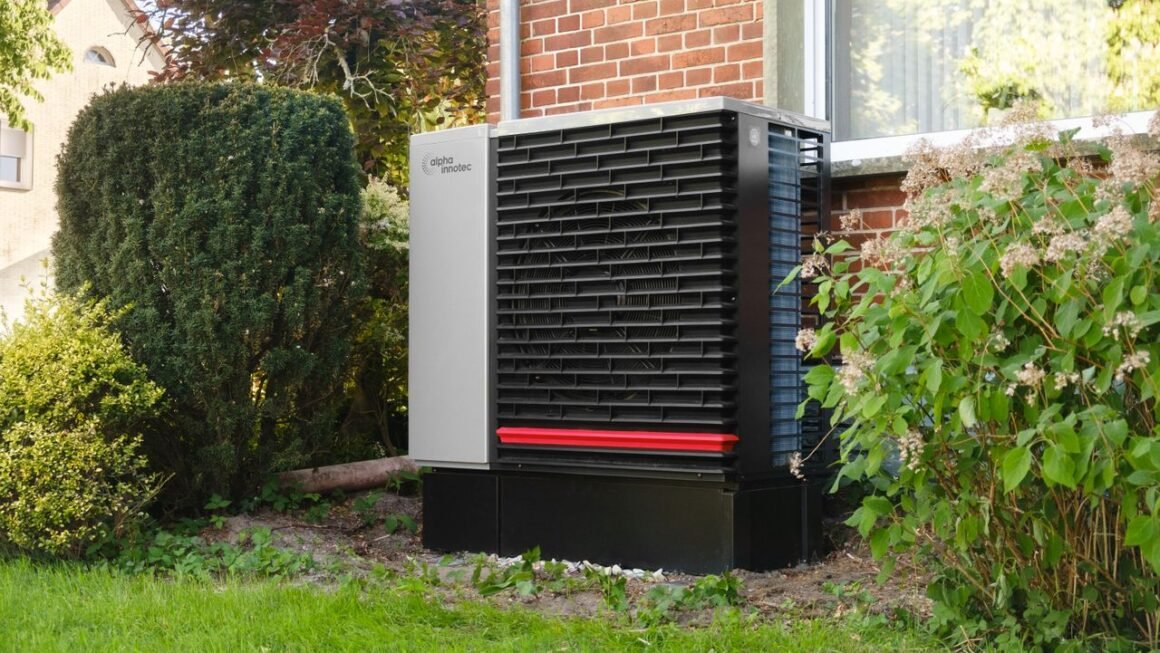
In a striking demonstration of the high demand for sustainable energy solutions in Québec, Hydro-Québec’s recent initiative to offer free heat pump installations for the 2026-27 fiscal year reached its registration capacity almost immediately after the program was announced. This overwhelming response underscores the growing public interest in energy-efficient home heating systems across the province.
The program, designed to promote energy efficiency and reduce the environmental impact of home heating, was launched by Hydro-Québec with the intention to support eligible residents in transitioning from traditional heating systems to more sustainable alternatives. The initiative aligns with Québec’s broader environmental goals and the provincial government’s commitment to reducing greenhouse gas emissions.
Heat pumps have been identified as a key technology in the fight against climate change due to their efficiency and the fact that they use electricity — which in Québec is predominantly generated from renewable sources — instead of fossil fuels. By offering these systems at no cost to homeowners, Hydro-Québec aimed to accelerate the adoption of cleaner energy technologies throughout the province.
Eligibility for the program was determined based on several criteria, including the age of the home, existing heating systems, and the homeowner’s income level. This targeted approach ensured that the benefits of the program were directed towards those who would not only benefit the most from reduced energy costs but also those who traditionally have less access to upfront capital for such investments.
The rapid closure of the registration window for the program reflects a significant level of interest among residents of Québec, highlighting a widespread recognition of the cost savings and environmental benefits associated with heat pumps. Many applicants expressed enthusiasm about the potential to decrease their carbon footprint while also mitigating the financial burden associated with heating their homes during the cold Québec winters.
Hydro-Québec’s strategy with this program was not only to provide immediate financial relief but also to foster long-term sustainability in residential heating practices. By replacing older, inefficient systems with modern heat pumps, the program supports the province’s transition towards a more sustainable energy infrastructure, which is crucial for meeting future environmental targets.
The success of the program, however, also brings to light certain challenges, particularly in terms of supply and installation capacity. The immediate filling of the program’s registration suggests that Hydro-Québec and its partners may face logistical challenges in meeting the demand. These could include shortages of qualified technicians and delays in the manufacturing of heat pumps, which are currently in high demand globally.
Moreover, the surge in registrations has prompted discussions about the need for ongoing support mechanisms for sustainable home heating solutions. Advocates for renewable energy argue that the popularity of the program indicates a strong public mandate for increased government and corporate action in this area.
Financially, the initiative is supported by Hydro-Québec’s existing budgets for energy efficiency and sustainability programs. The utility has allocated a significant portion of its resources to ensure that the program’s goals are met without compromising its ability to provide stable and affordable electricity to all Québecois.
From an economic perspective, the program is expected to stimulate the local economy by creating jobs in the green technology sector, particularly in the areas of manufacturing, installation, and maintenance of heat pump systems. This economic stimulus comes at a crucial time as Québec, like many regions, seeks to recover from the economic impacts of the global pandemic.
Politically, the program has received broad support from various parties and has been hailed as a model for other provinces and territories in Canada. It aligns well with the federal government’s climate action incentives, which include rebates and tax credits for individuals and businesses investing in energy-efficient technologies.
Despite its success, the program’s capacity issues have raised questions about equity and access. Some critics argue that the limited number of installations may not adequately address the needs of lower-income households, which are disproportionately affected by high energy costs. There are calls for Hydro-Québec to expand the program or for other entities to offer similar incentives.
Environmental groups have also weighed in, praising the initiative but noting that much more needs to be done to address climate change effectively. They suggest that while the heat pump program is a positive step, it should be part of a larger, comprehensive strategy that includes a variety of measures to reduce carbon emissions and promote sustainability.
Looking ahead, Hydro-Québec has committed to assessing the outcomes of this program and exploring ways to improve and expand its offerings in future years. This includes potential adjustments to the eligibility criteria, increases in funding, and enhancements to the application and installation processes to better serve Québec residents.
As the program moves from the registration phase to the implementation phase, all eyes will be on Hydro-Québec to see how effectively it manages the high demand and whether it can serve as a blueprint for similar programs elsewhere. The success of this initiative could very well determine the pace and nature of energy transition efforts across Canada in the coming decades.
Ultimately, the story of Hydro-Québec’s free heat pump program is one of opportunity and challenge. It reflects a growing public awareness and demand for sustainable energy solutions but also highlights the practical difficulties in scaling up such initiatives quickly. How these challenges are addressed will have significant implications for Québec’s environmental and economic future.
Exploring Hydro-Québec’s Initiative: The Impact on Energy Consumption
Reducing Residential Energy Use
Hydro-Québec’s free heat pump offer for the 2026-27 period has sparked significant interest as it aims to reduce residential energy consumption across Quebec. Heat pumps are known for their efficiency, capable of lowering household energy use by transferring heat rather than generating it. This shift is expected to decrease electricity demands during peak winter periods, aligning with provincial energy conservation goals.
Long-Term Benefits for Homeowners
The introduction of heat pumps is projected to offer long-term savings on energy bills for homeowners. By utilizing the ambient air or ground temperature to heat homes, these units reduce the reliance on traditional heating methods, which often involve higher costs and carbon footprints. This program not only supports individual financial savings but also promotes sustainable living practices among Quebec residents.
The Overwhelming Response to Hydro-Québec’s Offer
Immediate Filling of Available Slots
The free heat pump offer by Hydro-Québec for the years 2026-27 was met with an overwhelming response, with all available slots being filled shortly after the announcement. This enthusiastic reception highlights the growing public interest in energy-efficient solutions and the trust in Hydro-Québec as a provider of sustainable energy options.
Implications for Future Energy Programs
The rapid uptake of the heat pump offer could influence Hydro-Québec and other utilities to consider similar initiatives. Analyzing the success of this program may lead to expanded efforts in promoting renewable energy technologies and further investments in infrastructure to support sustainable energy practices across the province.
Strategic Implications for Hydro-Québec and Provincial Energy Policy
Shaping Future Utility Strategies
The success of the free heat pump program provides valuable insights for Hydro-Québec in terms of demand management and customer engagement strategies. The utility may leverage this data to refine its approach to integrating renewable technologies and enhancing grid reliability. Moreover, this initiative can serve as a model for other regions looking to implement green energy solutions effectively.
Policy Adjustments and Environmental Impact
Hydro-Québec’s proactive approach in offering free heat pumps aligns with broader environmental goals, such as reducing greenhouse gas emissions and promoting energy independence. The provincial government may use the outcomes of this program to adjust policies that encourage the adoption of eco-friendly technologies, thus reinforcing Quebec’s commitment to achieving its climate targets.