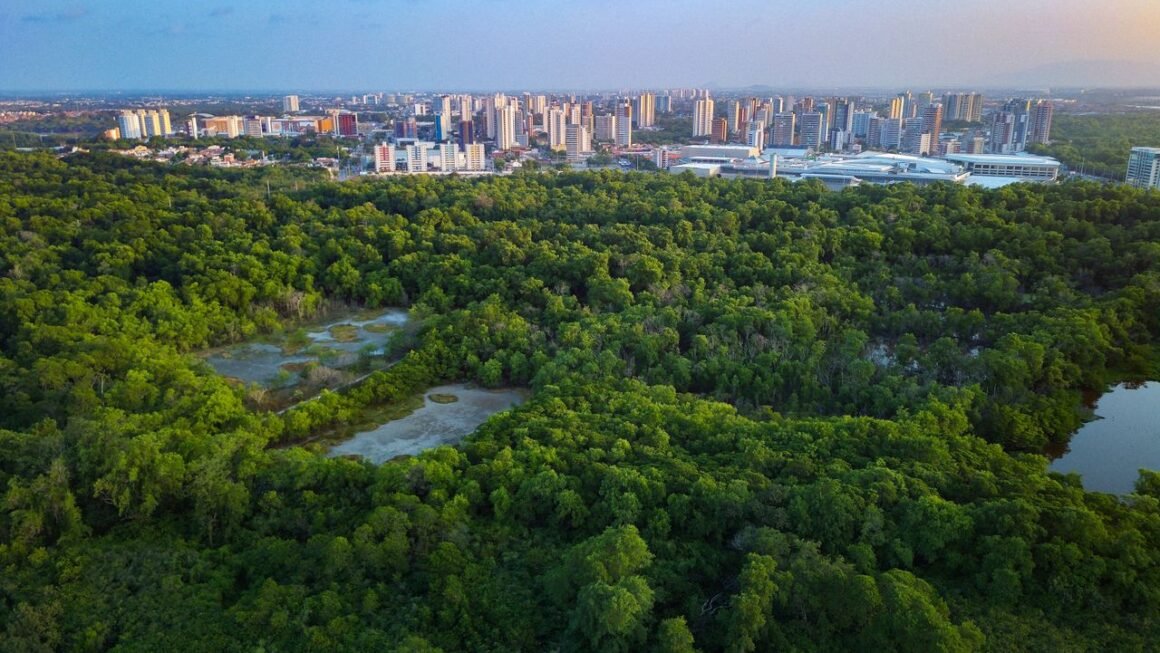
In a groundbreaking announcement, Montréal, Québec has been designated as the world’s first UNESCO Biosphere Reserve City. This prestigious status highlights Montréal’s commitment to sustainability, biodiversity, and urban planning that harmonizes with nature. The decision was made public at a recent UNESCO conference, where delegates praised Montréal for its innovative approaches to ecological conservation and sustainable urban development.
The UNESCO Biosphere Reserve status is awarded to regions that demonstrate a balanced relationship between humans and their natural environment. Montréal’s inclusion as a Biosphere Reserve City is a testament to its ongoing efforts in environmental stewardship and its ambitious green policies. The city has been at the forefront of green initiatives, including extensive parkland preservation, wildlife conservation projects, and sustainable transportation programs.
Montréal Mayor Valérie Plante expressed her enthusiasm for the designation, stating, “This is a historic moment for our city. Being recognized as a UNESCO Biosphere Reserve City is not only an honour but also a responsibility. We are committed to continuing our efforts in making Montréal a model city for sustainability and biodiversity worldwide.”
The process of becoming a UNESCO Biosphere Reserve City is rigorous, requiring a detailed submission that demonstrates the city’s integration of natural and urban environments. Montréal’s successful bid was supported by its comprehensive urban greening initiatives, such as the expansion of the city’s large network of public parks, the preservation of natural habitats, and policies aimed at reducing urban sprawl.
Experts from various fields have been involved in Montréal’s strategies to meet UNESCO’s criteria. Environmental scientists, urban planners, and community leaders collaborated to create a framework that supports ecological resilience and sustainability. This multidisciplinary approach has been crucial in addressing the complex challenges of urban environmental management.
One of the key elements of Montréal’s success is its innovative use of green roofs and walls, which have been incorporated into the architecture of new and existing buildings. These features not only enhance the aesthetic value of the cityscape but also contribute to air quality improvement and biodiversity.
Additionally, Montréal has made substantial investments in public transportation to reduce the city’s carbon footprint. The expansion of the metro system and the introduction of more eco-friendly buses and bike-sharing programmes are vital components of the city’s sustainable transport strategy.
The UNESCO designation also brings potential economic benefits, including increased tourism. Tourists are increasingly drawn to destinations that offer sustainable and environmentally friendly experiences. Montréal’s new status is likely to attract visitors interested in eco-tourism, further boosting the local economy.
Local communities have played a significant role in Montréal achieving this status. Community-driven initiatives, such as urban agriculture and conservation volunteer programs, have been instrumental in fostering a city-wide ethos of environmental mindfulness.
Mireille Moreau, a Montréal resident and environmental activist, shared her thoughts on the city’s achievement: “It’s uplifting to see our collective efforts recognized on such a significant platform. This will inspire more people to engage in sustainability practices that contribute to our city’s green future.”
However, the UNESCO designation also comes with challenges. The city must continue to innovate and implement effective strategies to manage its growth sustainably. The balance between development and conservation is delicate, and Montréal will need to navigate this with careful planning and community involvement.
The international recognition as a UNESCO Biosphere Reserve City places Montréal on the global map as a leader in urban sustainability. It sets a benchmark for cities worldwide to aspire towards integrating nature with urban development in a way that benefits both the environment and the quality of life of its residents.
As Montréal embarks on this new chapter, the eyes of the world will be watching. The city’s journey towards sustainability and ecological conservation continues to evolve, setting a precedent for future urban planning and environmental management.
Benefits of UNESCO Biosphere Reserve Status
Economic Growth through Eco-Tourism
The recognition as a UNESCO Biosphere Reserve City can significantly boost Montréal’s tourism sector, especially in attracting tourists who prioritize sustainability. This shift towards eco-tourism not only supports local businesses but also promotes cultural exchange and conservation education.
Enhanced Environmental Policies
With its new status, Montréal is expected to ramp up its environmental initiatives. This includes stricter regulations on urban development, more ambitious green building standards, and increased funding for renewable energy projects. These policies are essential for maintaining the balance between urban expansion and natural preservation.
Challenges and Responsibilities
Managing Urban Growth
As Montréal continues to grow, managing urban development in a way that does not compromise its ecological integrity will be a significant challenge. The city will need to innovate continually and implement robust policies to ensure sustainable growth.
Community Involvement and Education
For Montréal’s UNESCO status to be effective, ongoing community involvement and education are critical. Engaging local residents in sustainability initiatives and spreading awareness about the importance of ecological conservation are vital for long-term success.
Impact on Local Communities
Urban Agriculture and Green Spaces
The designation has encouraged more urban agriculture projects and the development of green spaces. These initiatives not only help in carbon sequestration but also improve the mental and physical health of the community.
Volunteerism and Civic Engagement
Montréal’s recognition as a UNESCO Biosphere Reserve City has spurred an increase in volunteerism and civic engagement, with more residents participating in local conservation efforts and sustainability programmes.
Real People Only
Valérie Plante, the current Mayor of Montréal, has been a vocal advocate for sustainable urban planning and environmental preservation. Under her leadership, the city has implemented numerous initiatives aimed at reducing its environmental impact and enhancing the quality of life for its residents.
Mireille Moreau, a local environmental activist, has been at the forefront of community-driven sustainability initiatives in Montréal. Her efforts in promoting urban agriculture and participating in various conservation projects have contributed significantly to the city’s environmental goals.