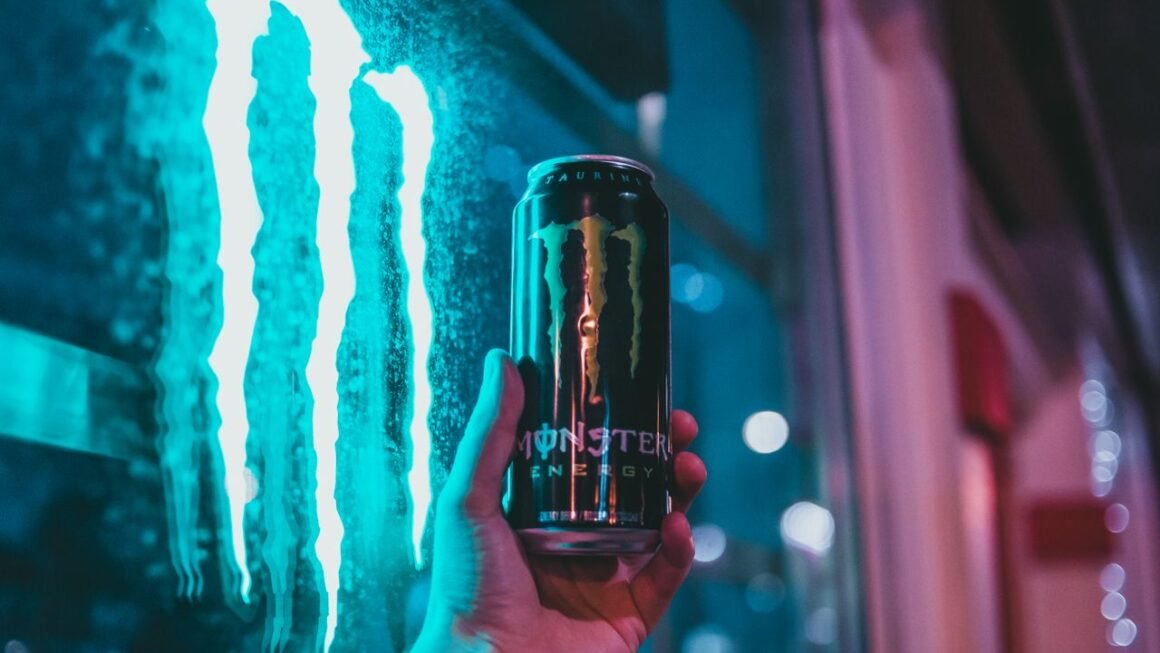
Energy drinks, known for their high caffeine and sugar content, are marketed primarily towards young adults and teenagers, promising benefits such as increased energy, enhanced physical performance, and improved concentration. However, medical professionals are warning that the adverse effects of such drinks can far outweigh their purported benefits, especially in younger consumers.
Dr. Lucie Morin, a pediatrician at the Montréal Children’s Hospital, states, “The consumption of energy drinks can lead to significant health issues for kids, including heart problems, anxiety, sleep disturbances, and digestive problems. These are not just minor issues; they can have long-term health implications.”
The appeal of energy drinks among the youth can be attributed to aggressive marketing tactics that target this demographic. Advertisements often feature extreme sports and popular music, elements that resonate with teenagers. However, this marketing glosses over the potential health risks, focusing instead on the ‘cool’ factor of these products.
Concerns are not just hypothetical. Case studies in the Montréal area reveal instances where children have experienced severe health consequences after consuming energy drinks. For example, a 14-year-old student was rushed to the emergency room with palpitations and dizziness after consuming multiple cans of an energy drink to ‘boost’ his performance during a hockey tournament.
According to Dr. Morin, “There’s a lack of awareness about the dangers posed by these drinks. Parents and guardians need to be more vigilant and educate their children about the risks. Schools and community centres should also take a proactive role in providing information on healthy lifestyle choices.”
Regulatory bodies in Canada have begun to take notice. Health Canada has issued warnings about energy drink consumption among young people, and there are calls for stricter regulations regarding how these drinks are marketed towards children. Some advocates are pushing for warning labels on packaging, similar to those found on tobacco products.
Aside from the physical health risks, there are also concerns about the psychological impacts of high caffeine intake. Psychologists working with Montréal’s youth have reported increases in cases of anxiety and panic attacks that are directly linked to energy drink consumption.
Dr. Anne Dupont, a psychologist specializing in adolescent health, commented, “The high levels of caffeine found in these drinks can significantly exacerbate feelings of anxiety among teenagers, who are already dealing with various social and academic pressures. It’s crucial that we address this issue as a community.”
Community health programs in Montréal are starting to respond by organizing workshops and information sessions aimed at educating parents and children about the potential dangers of energy drinks. These programs emphasize the importance of natural sources of nutrition and hydration, such as fruits, vegetables, and plenty of water.
The Montréal School Board has also taken steps to address this issue by banning the sale of energy drinks in schools across the city. This policy has been welcomed by parents and health professionals alike, who see it as a positive move towards promoting healthier lifestyles among students.
Despite these efforts, the battle against the popularity of energy drinks among youth is ongoing. Continuous education and awareness campaigns are deemed necessary to shift the perception of these beverages from must-have energy boosters to potentially harmful products.
As the community comes together to tackle this public health issue, the hope is that future generations will be more aware of the risks and make informed choices about their consumption of energy drinks. The ultimate goal is to ensure a healthier, more informed youth population in Montréal and beyond.
Health Risks Associated with Energy Drinks
Cardiovascular Issues
Energy drinks contain high levels of caffeine and other stimulants that can increase heart rate and blood pressure, potentially leading to severe cardiovascular events, especially in children with undiagnosed heart conditions.
Mental Health Effects
The high caffeine content can also lead to anxiety, sleep disturbances, and other mental health issues in young people. These effects may impact their academic performance and social interactions.
Regulatory Responses and Community Action
Government and Health Canada’s Role
Following increasing reports of adverse effects from energy drink consumption, Canadian health authorities are considering stricter regulations on how these beverages are sold and marketed to young individuals.
Local Community Initiatives
In Montréal, community centres and health professionals are actively working to educate the public about the dangers of energy drinks through workshops and outreach programmes.
Preventative Measures and Education
School Policies
Local schools in Montréal are implementing policies to remove energy drinks from their premises, promoting water and natural juices instead.
Parental Guidance and Awareness
Education for parents is crucial. By understanding the risks associated with energy drinks, parents can better guide their children in making healthier beverage choices.
Real People Only
Dr. Lucie Morin is a pediatrician at the Montréal Children’s Hospital with over 20 years of experience specializing in pediatric healthcare. She has been a vocal advocate for child health safety, particularly concerning the risks posed by high caffeine intake in children and teenagers.
Dr. Anne Dupont is a clinical psychologist in Montréal, focusing on adolescent mental health. She has contributed to various research studies on the psychological impacts of dietary choices in teenagers and is an active participant in community health initiatives.