The Democratic Republic of Congo has announced that the death toll from the current Ebola outbreak in its eastern regions has surpassed 1,500, marking it as the fastest-growing Ebola epidemic in history. The World Health Organization (WHO) has declared it a public health emergency of international concern.
This outbreak, first identified in August 2021, has rapidly spread across multiple provinces, including North Kivu, South Kivu, and Ituri, exacerbating the challenges in a region already destabilized by armed conflicts and displacement. The international community, led by the WHO, is ramping up efforts to contain the deadly virus.
Eastern Congo’s complex socio-political landscape, marked by intermittent conflicts and a mobile population, complicates the efforts to control the spread of Ebola. The region’s porous borders with Uganda, Rwanda, and South Sudan also pose significant risks for regional, potentially global, transmission.
Understanding Ebola’s Impact
Current Outbreak Dynamics
The Ebola virus disease, known for its high fatality rate and severe hemorrhagic symptoms, has once again drawn global attention to Congo, a country with a history of recurring outbreaks. This particular strain appears to be more virulent, with a higher transmission rate than those seen in previous outbreaks.
Response and Challenges
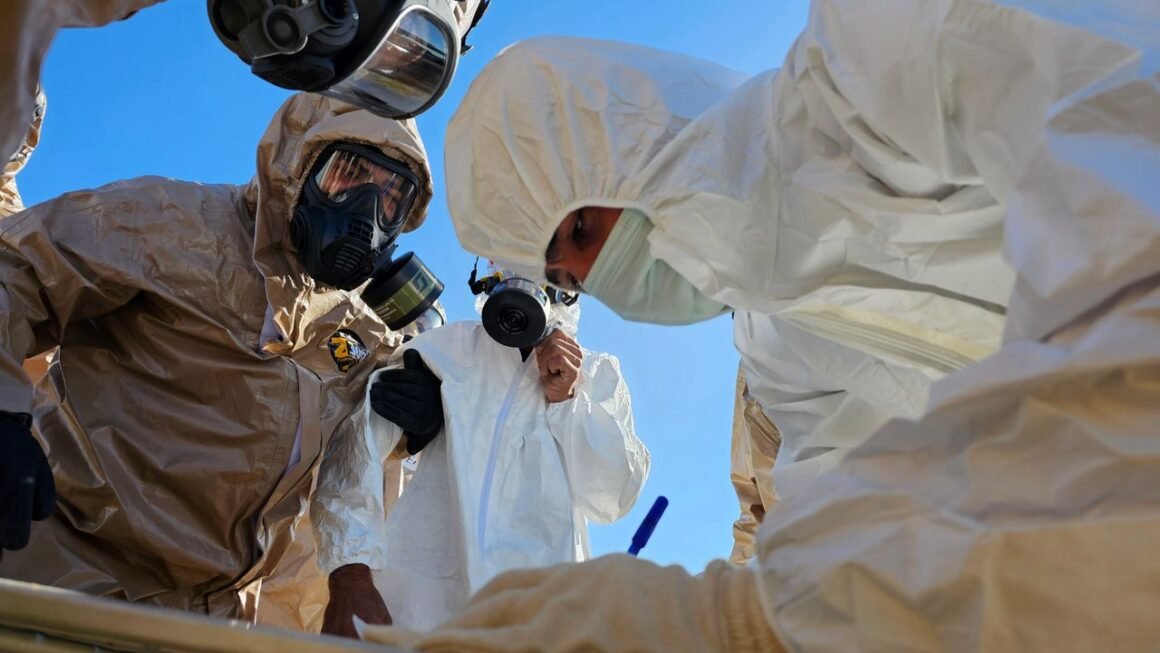
Healthcare workers face immense challenges including attacks from local militias, community mistrust, and logistical hurdles in remote areas. Despite these adversities, they continue to work tirelessly to administer vaccines and educate communities about the virus.
International and Local Responses
Mobilization of Resources
International aid has begun to flow into the affected areas, with significant contributions from the Canadian government, which has donated CAD $5 million to aid efforts. In addition, non-governmental organizations from around the world are providing support in the forms of medical supplies and personnel.
Advancements in Medical Interventions
Recent advancements in Ebola treatment and vaccine development have offered a glimmer of hope. A new vaccine, found to be 97.5% effective, is currently being deployed in high-risk zones. Treatment centres have also been set up throughout the region, equipped with the latest in antiviral drugs.
Long-term Implications
Economic and Social Impact
The outbreak has severely impacted the local economy, disrupting agriculture and trade, essential for the sustenance of these communities. Schools have closed, and social gatherings have been restricted, further altering the social fabric of the region.
Future Outbreak Prevention
Looking forward, experts emphasize the importance of establishing stronger health infrastructure and continuous international support to prevent future outbreaks. Efforts are underway to improve surveillance and response systems to better manage and hopefully prevent future health crises in the region.
In conclusion, as the death toll in eastern Congo’s Ebola outbreak surpasses 1,500, the international community continues to watch closely, offering support and hoping for containment. The response, fraught with challenges, also offers insights into managing future global health emergencies. The resilience of the Congolese people and the dedication of health workers provide a beacon of hope in these trying times.